
Patios · Reading & Berkshire
Hard-Wearing Patios
Built to Frame Your Garden
for the Next 20 Years
A patio is a 20-year decision — get the sub-base wrong and you'll be lifting and relaying within five. We dig, drain and lay every patio to a spec that doesn't dip, doesn't pool and doesn't lift come the first hard frost.
5.0 average from verified Google reviews Fully insured · 18 years building in Berkshire
Recent work
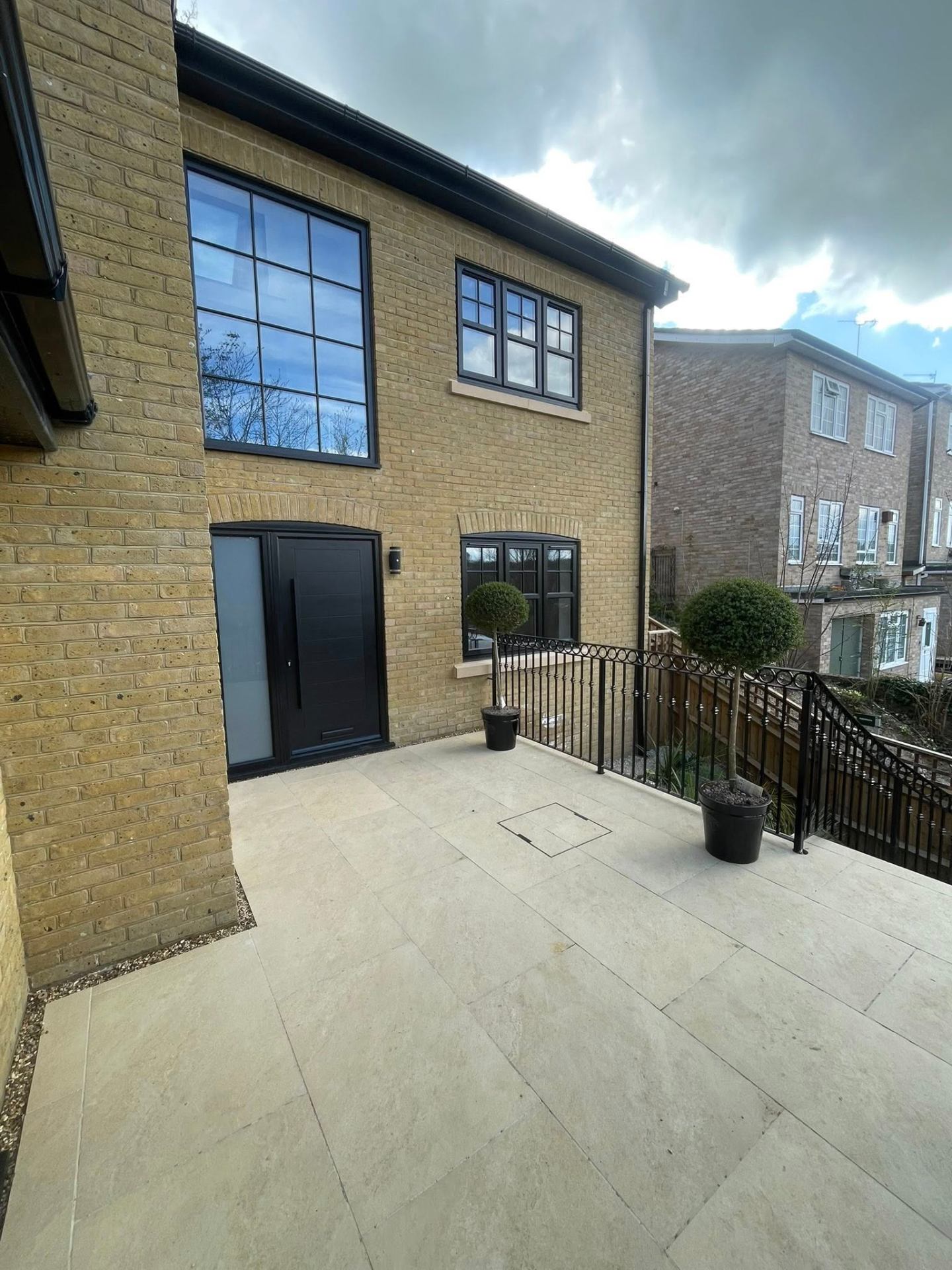
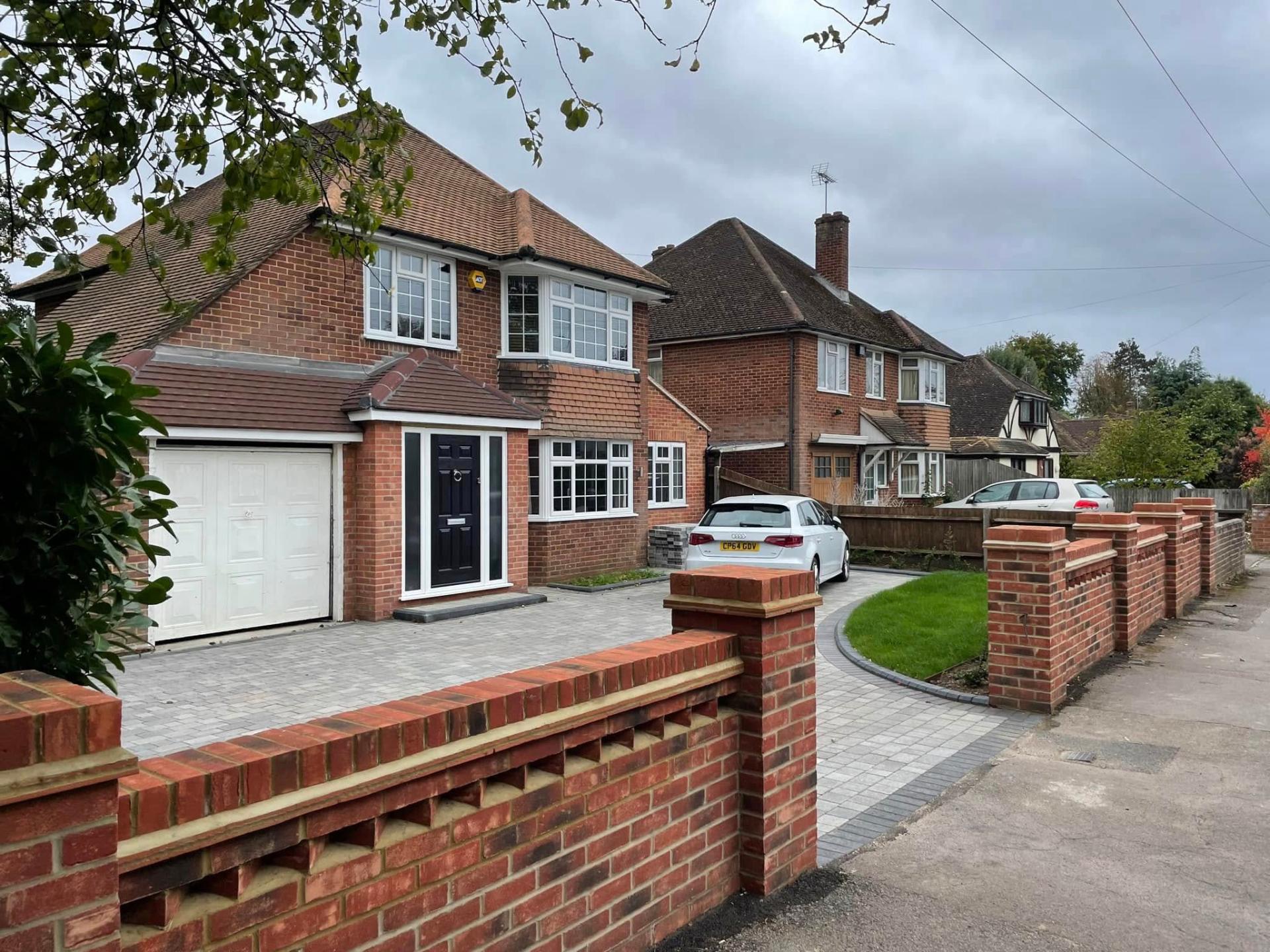
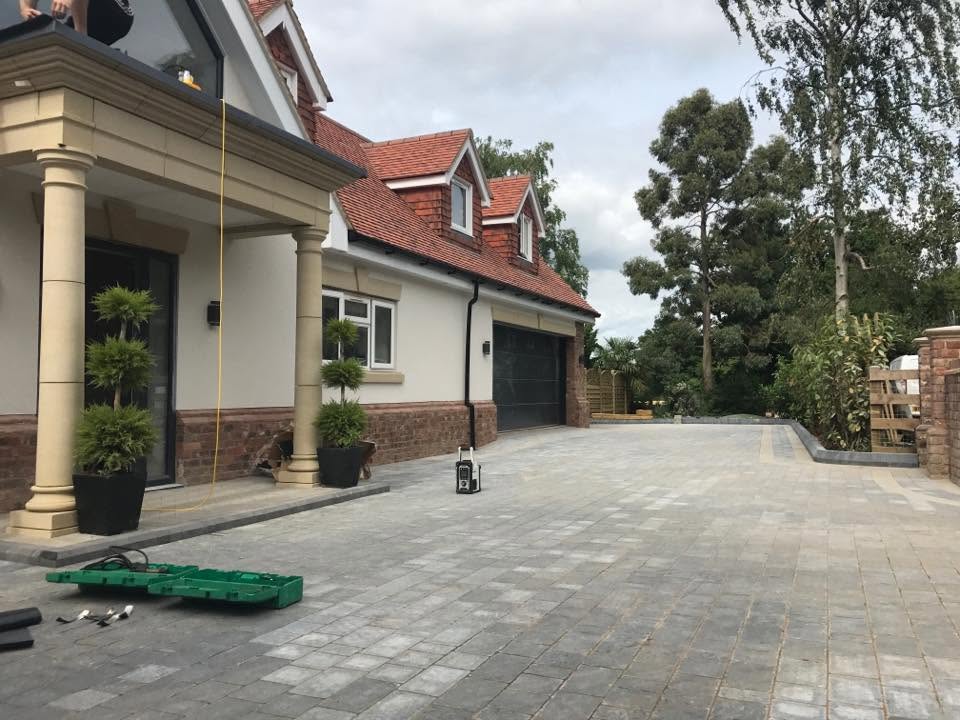
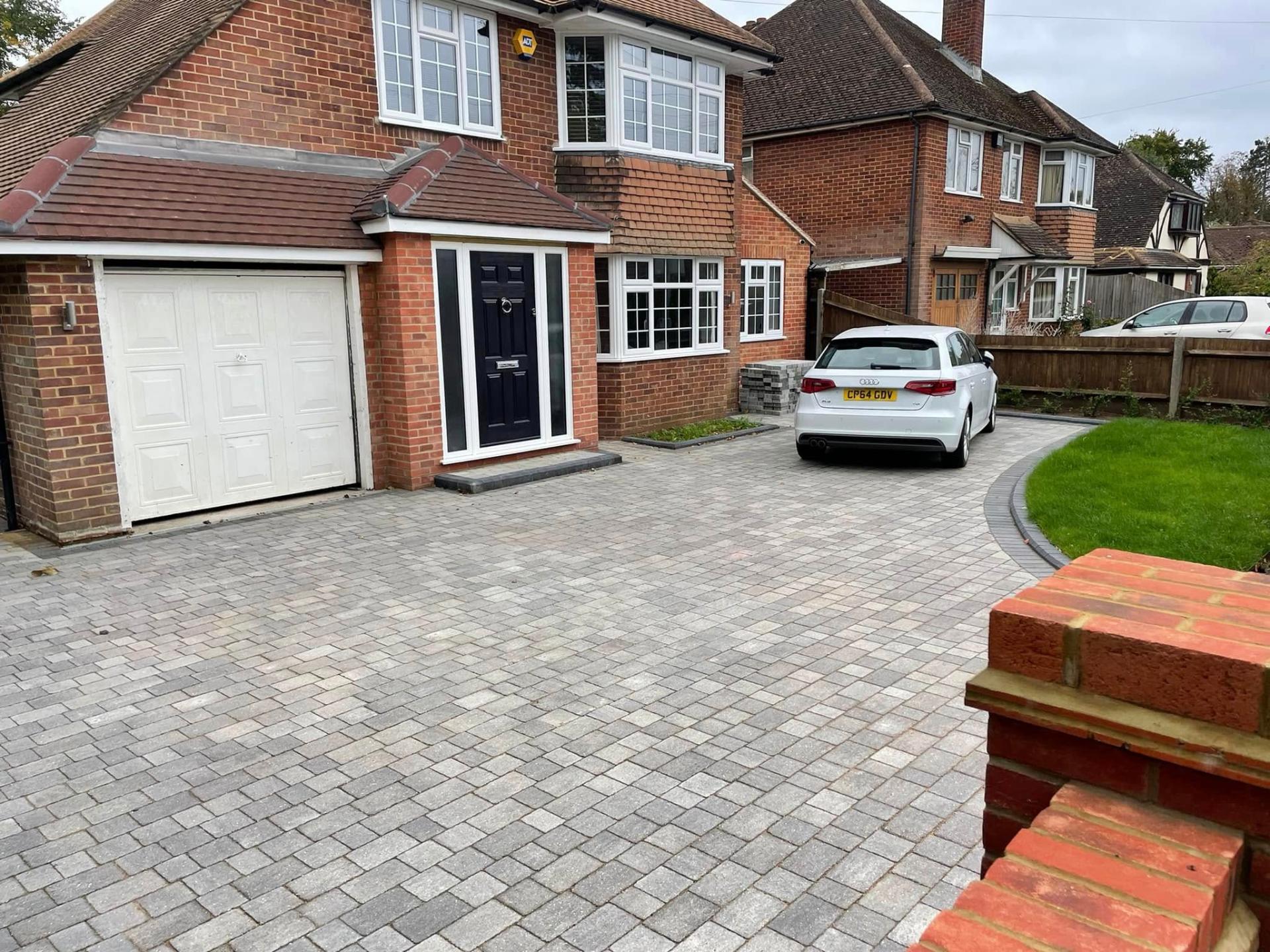
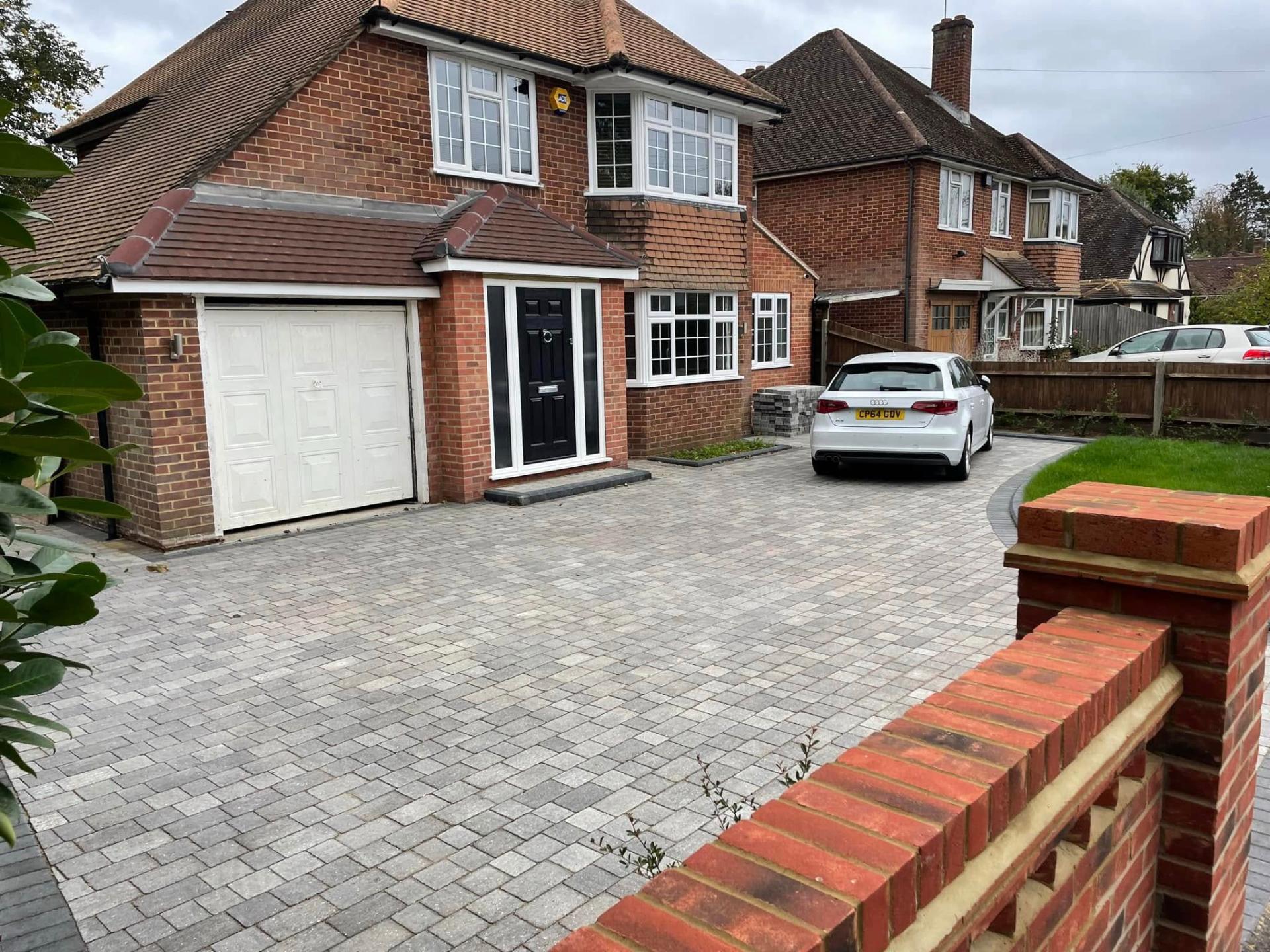
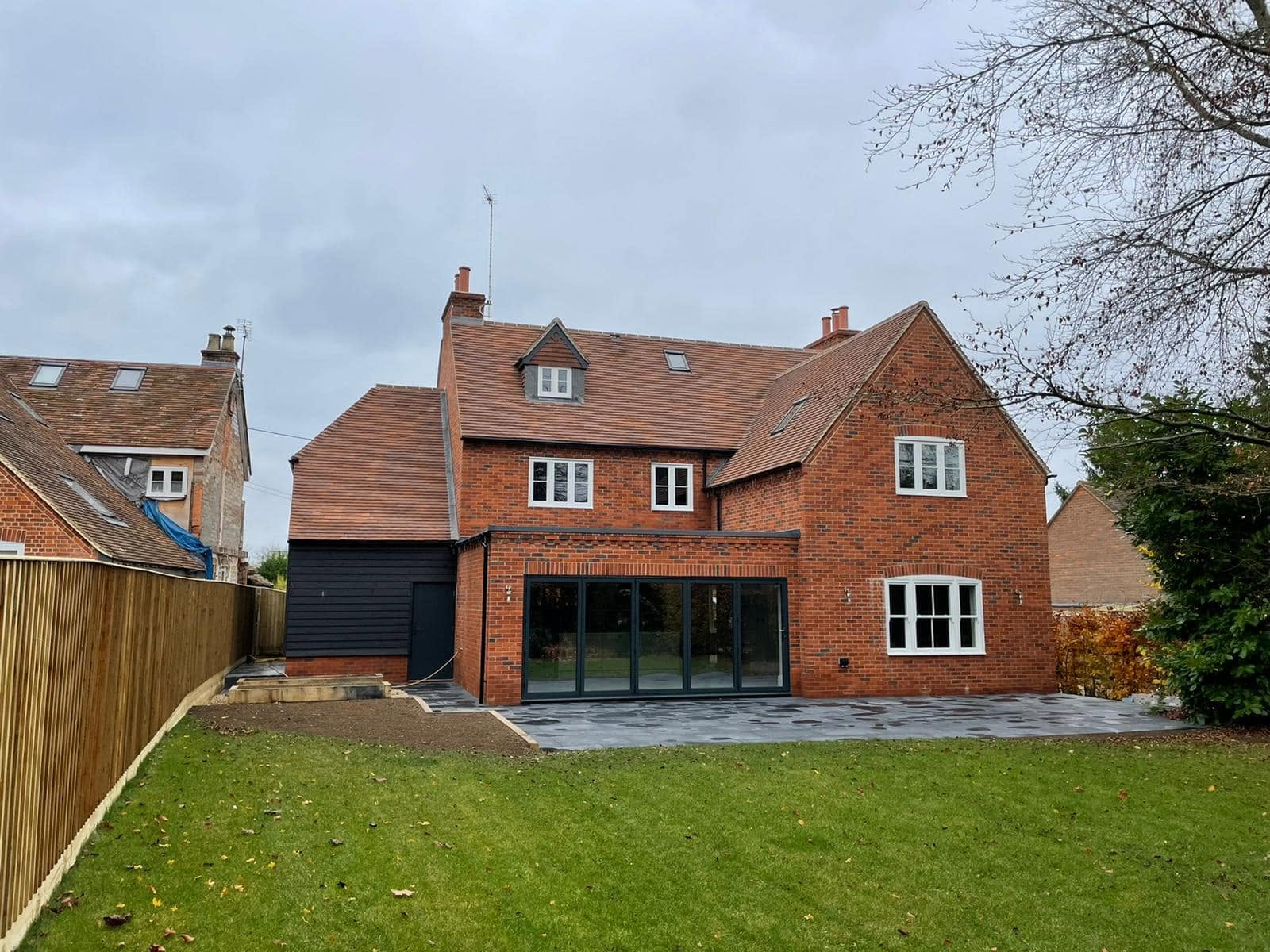
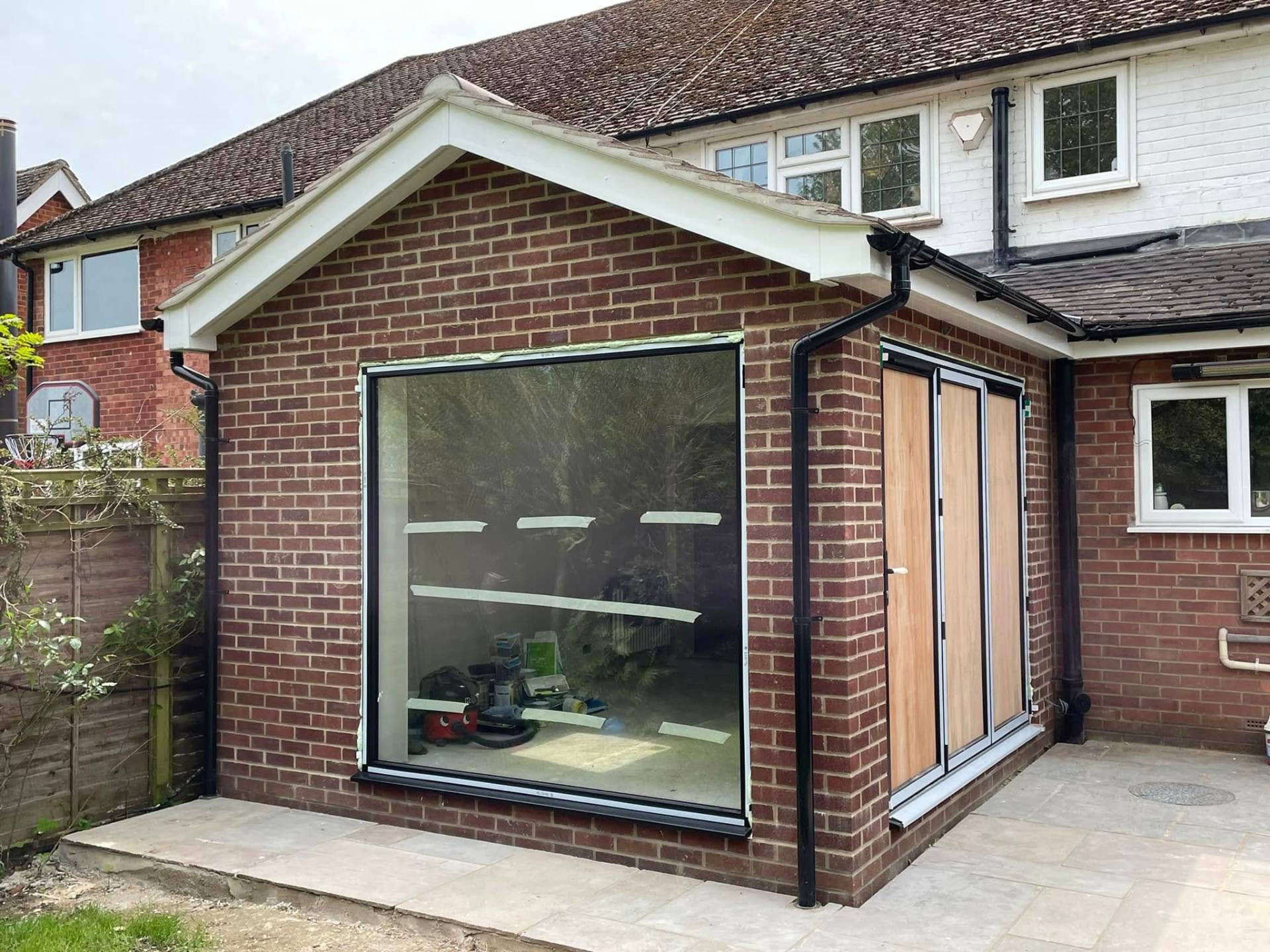
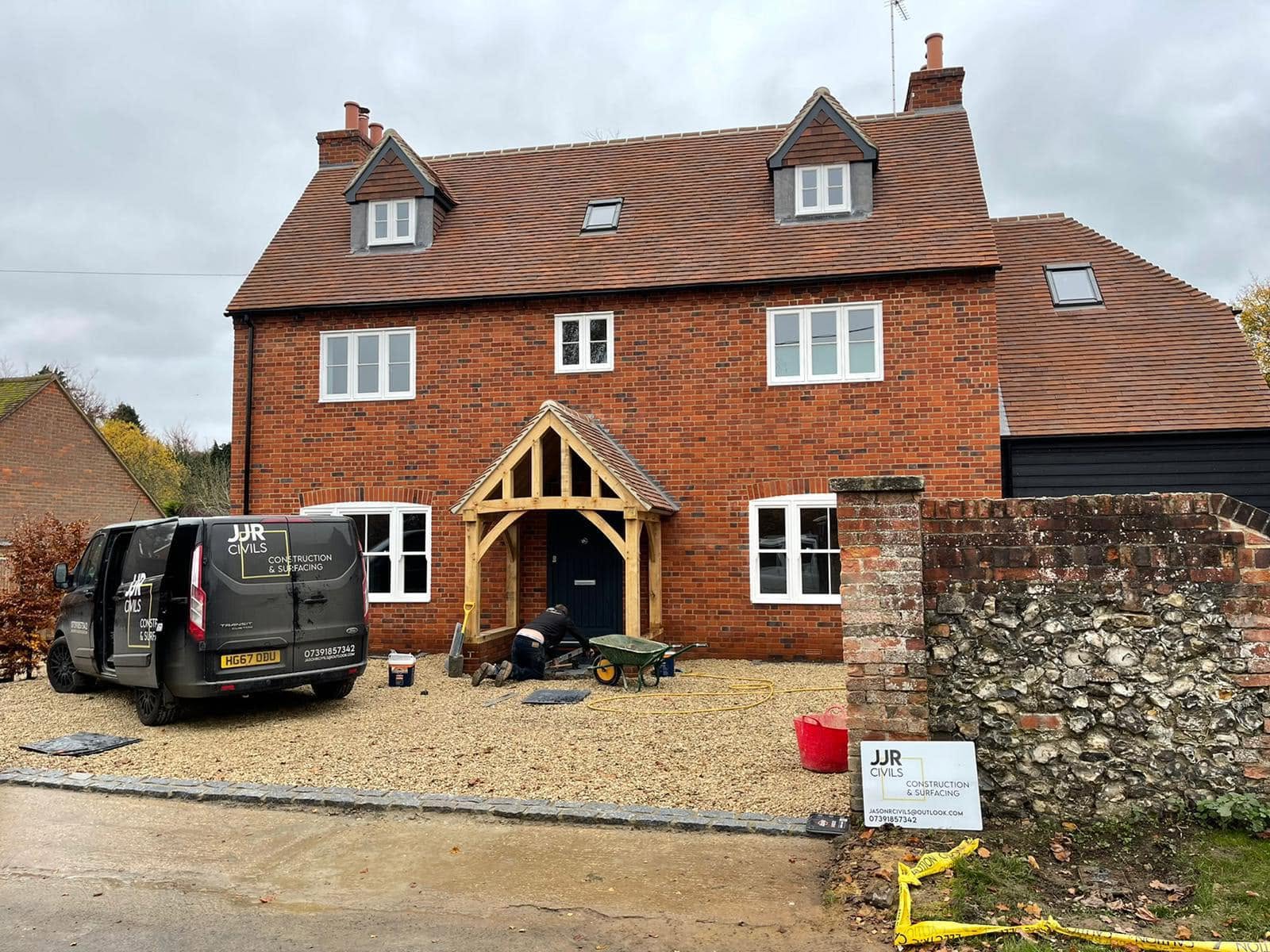
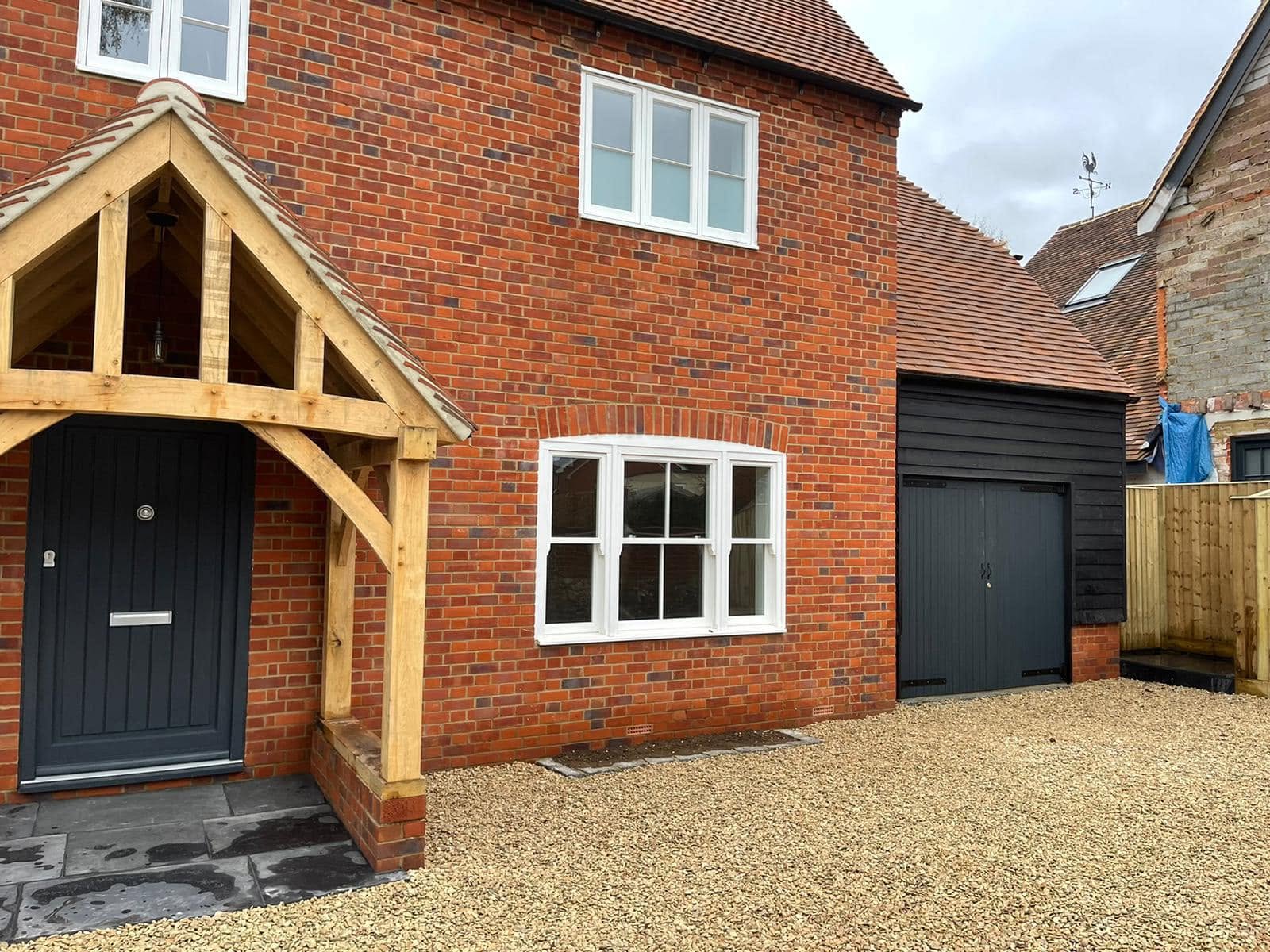
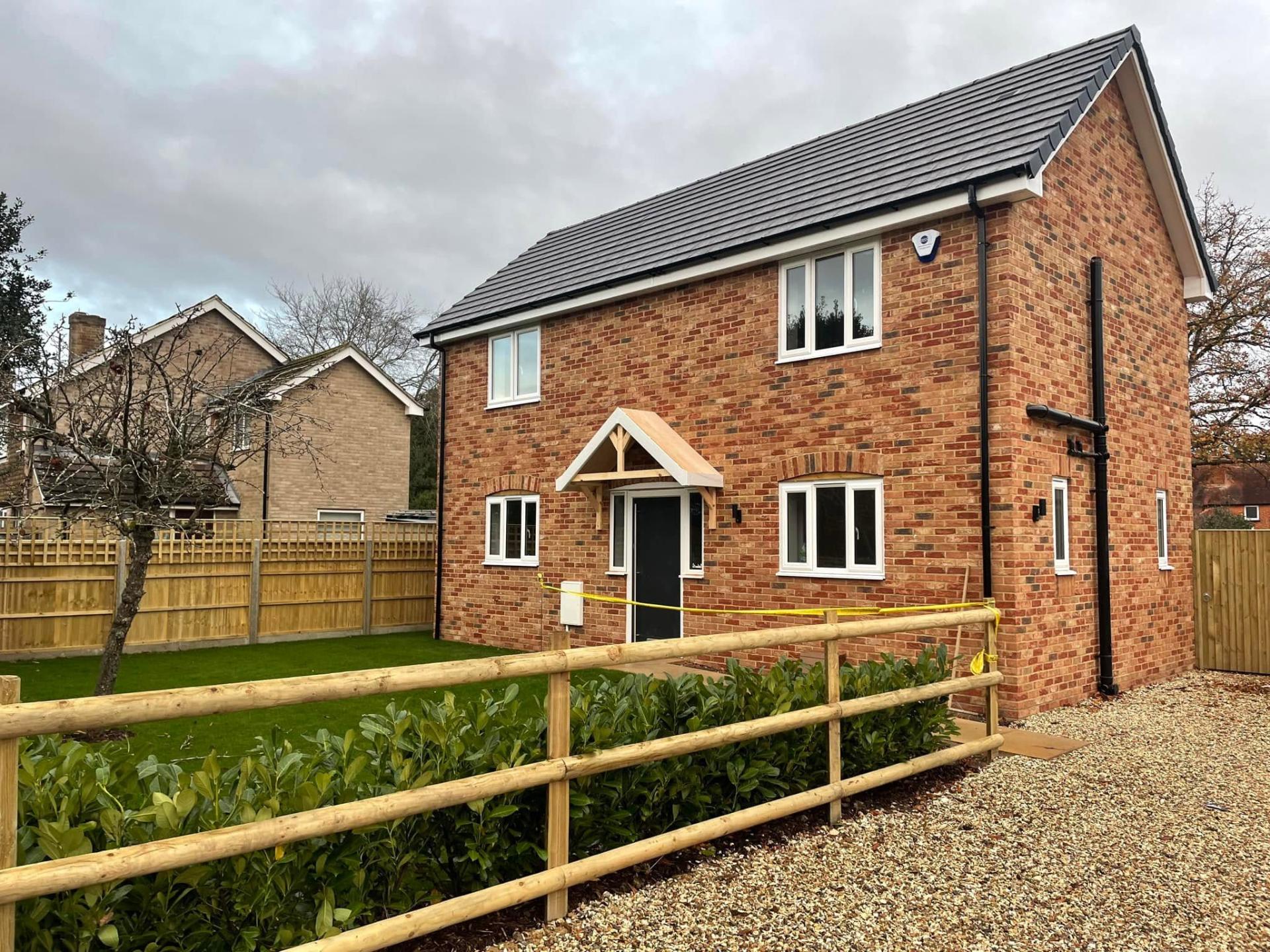
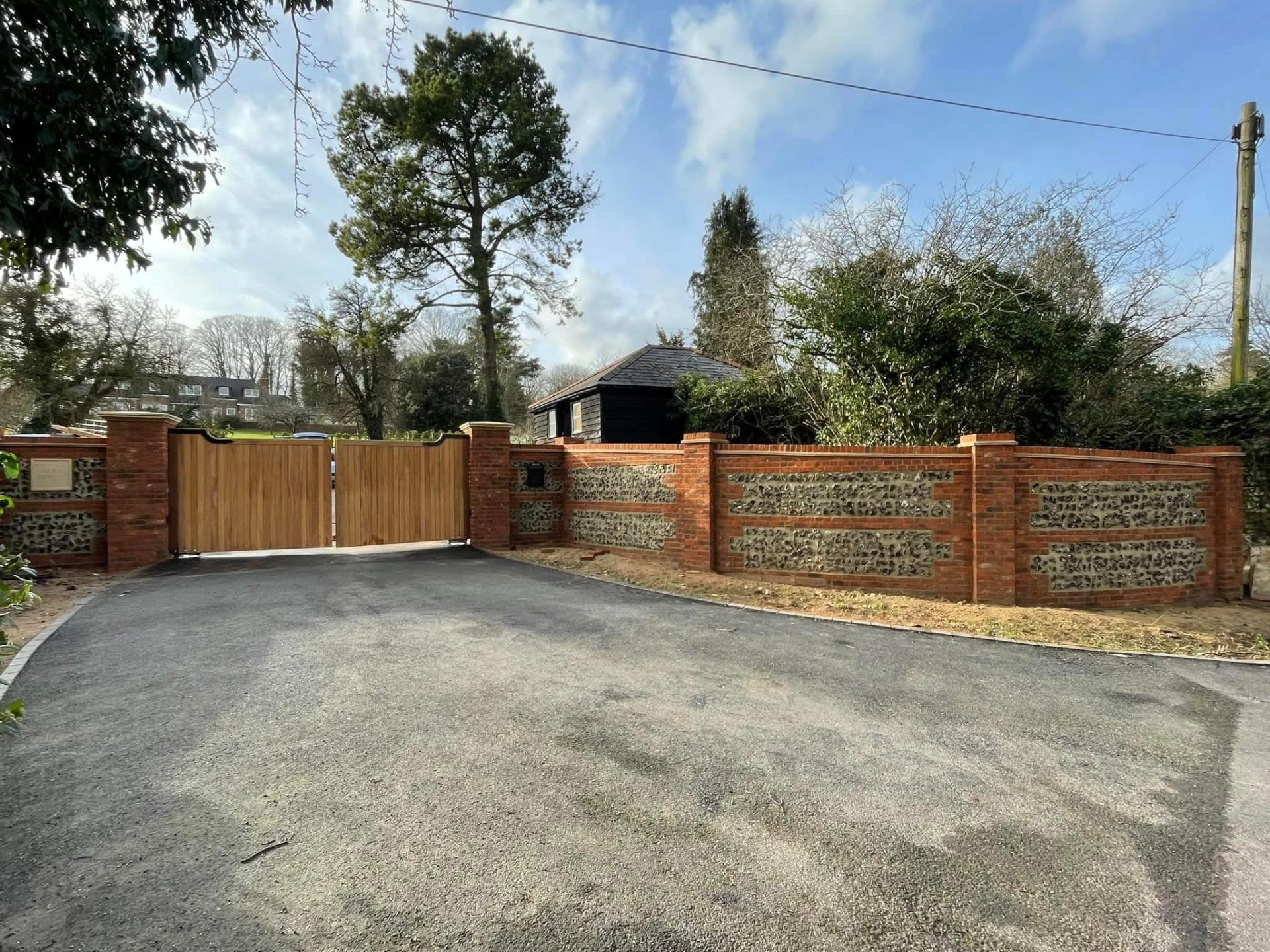
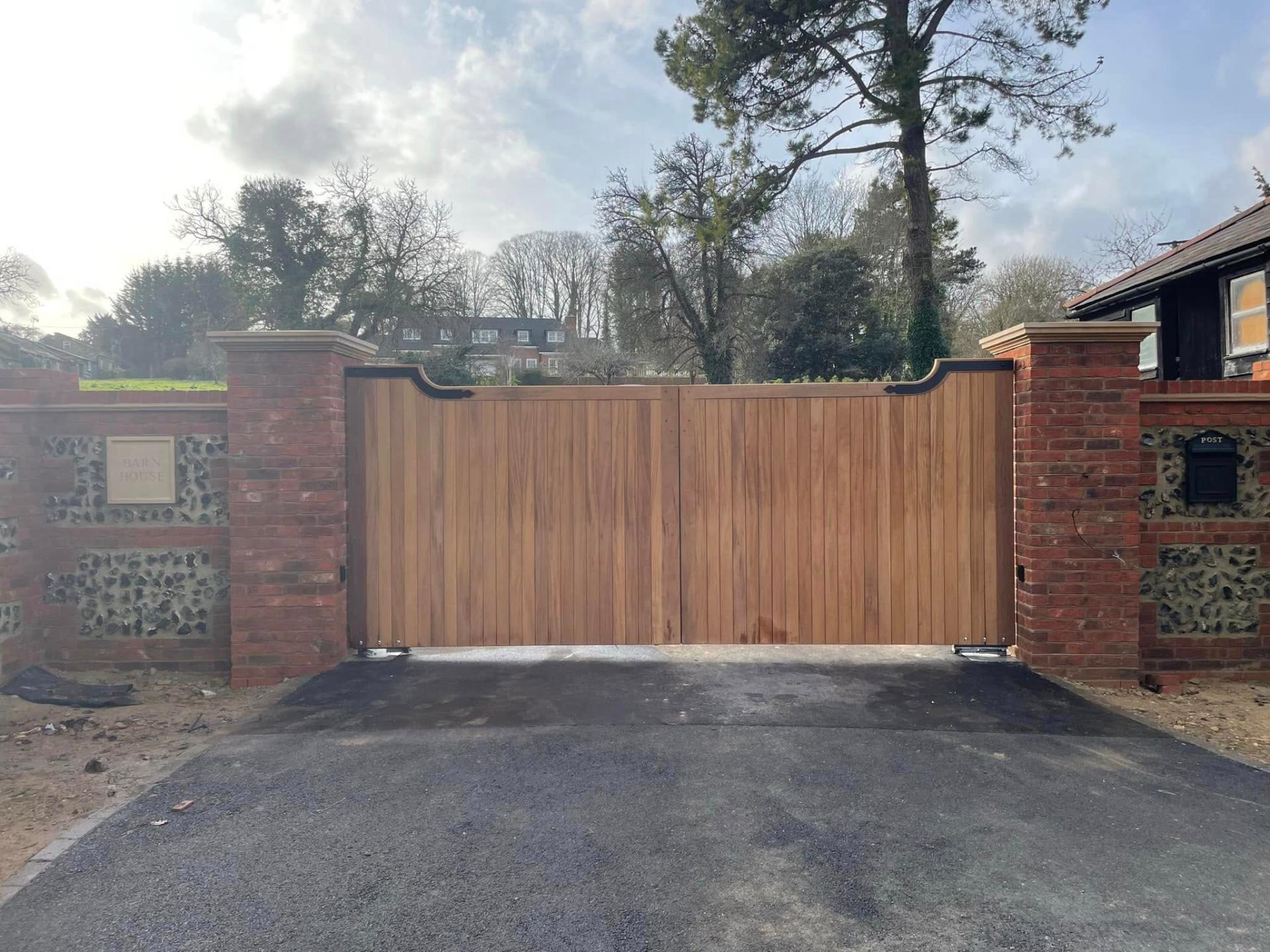
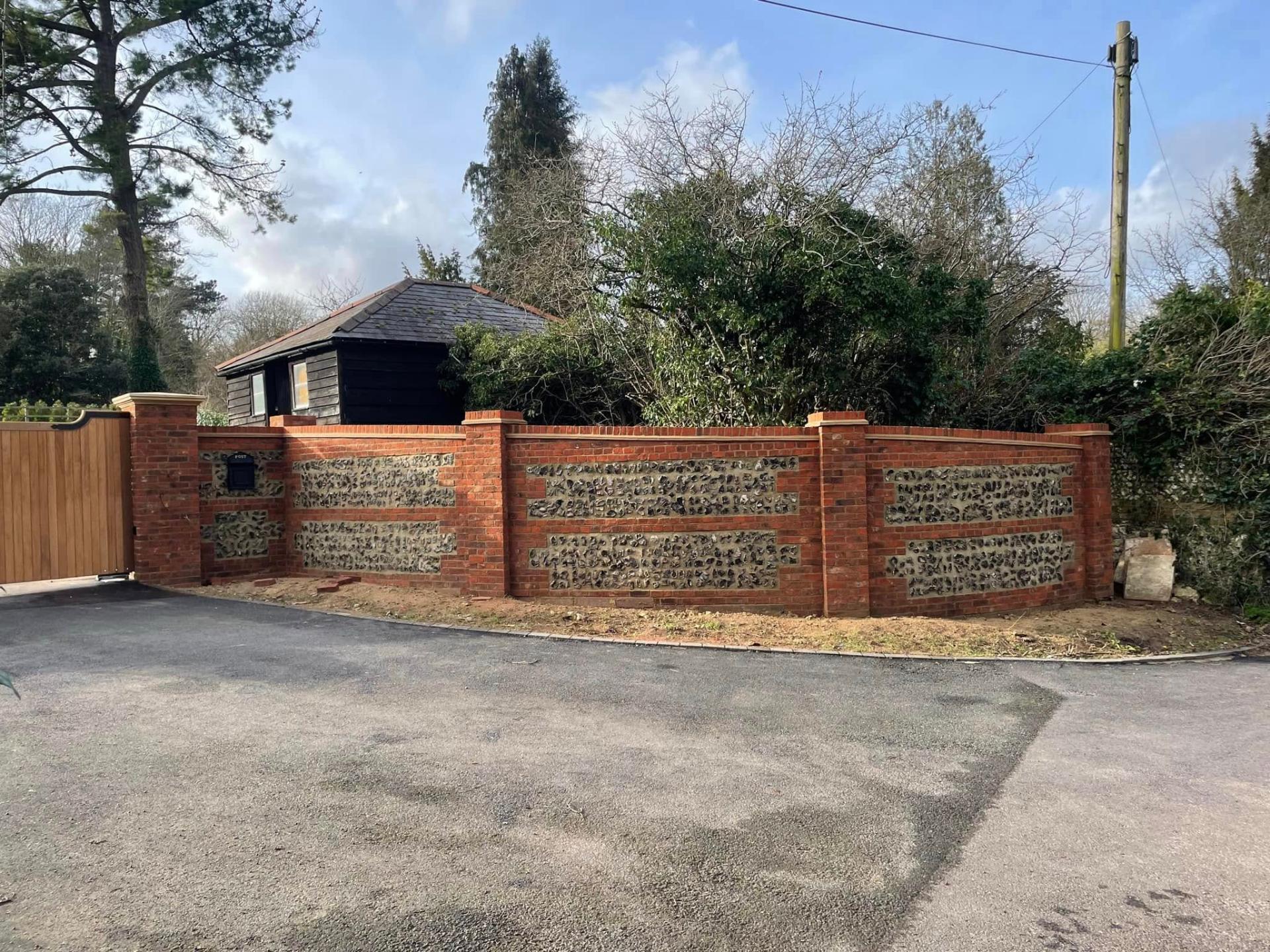
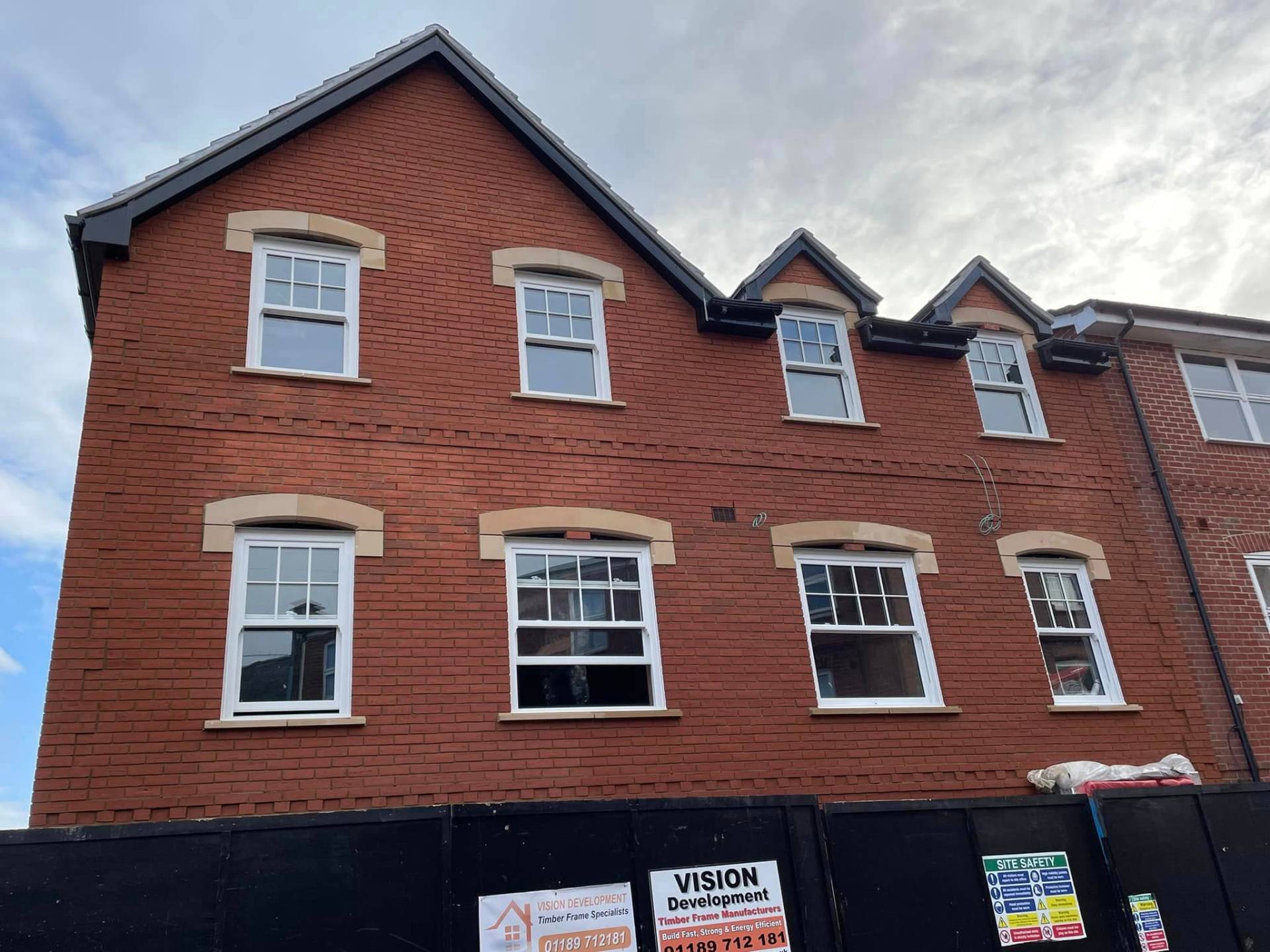
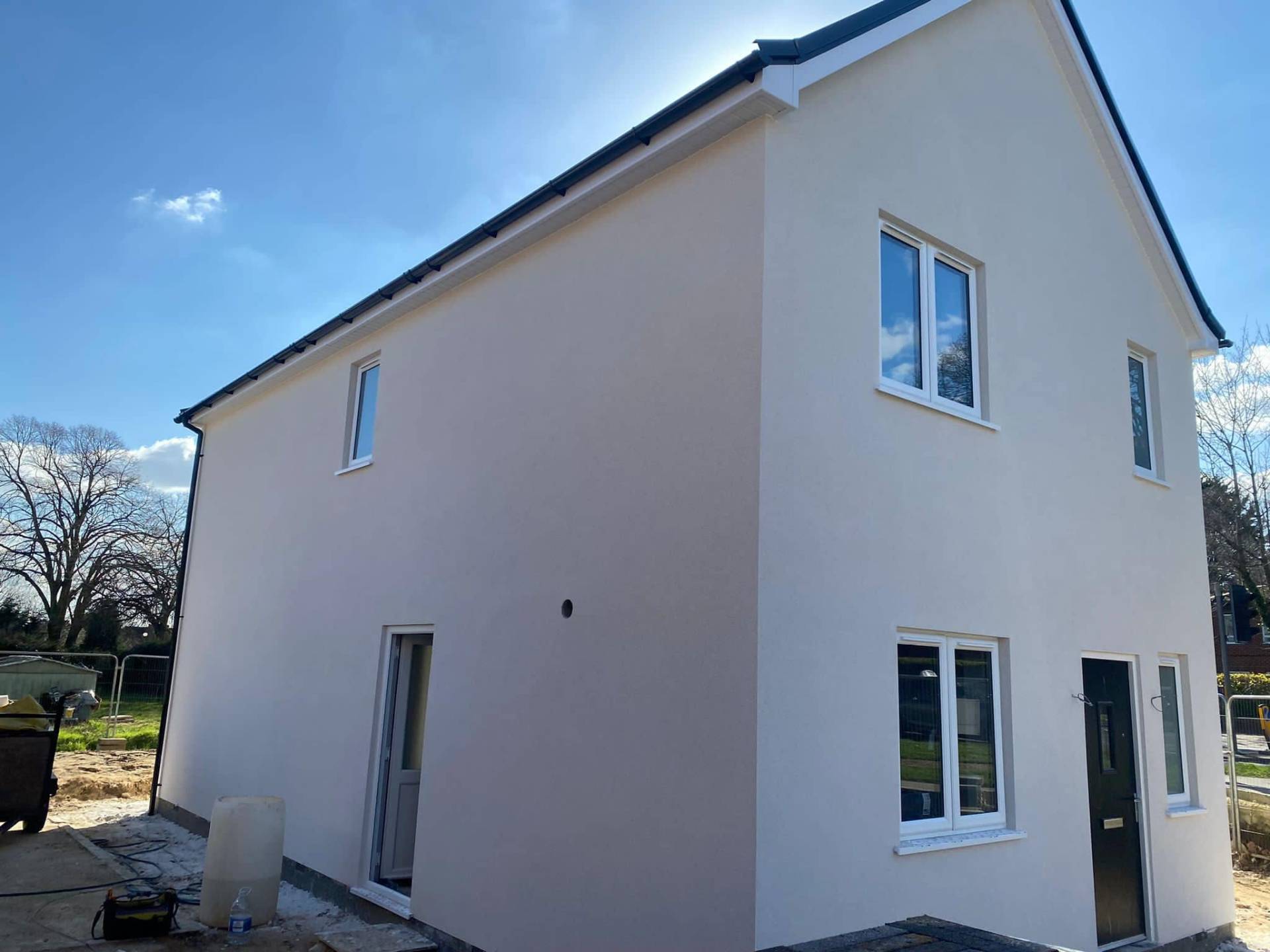
A look at projects across Berkshire.
What we do
Patios done properly — the first time.
Full-design patios in porcelain, natural stone, sandstone, granite, riven Yorkstone and concrete flag — laid on a proper compacted sub-base with crossfalls, drainage and edging worked out before a single slab goes down.
Homeowners replacing tired old slabs, landscapers needing structural groundworks done before they plant, and anyone who's had a cowboy job that's already weed-ridden and rocking after one winter.
When existing slabs are lifting, when water pools against the house wall after rain, when you're transforming a garden, or when you're selling and the back garden lets the house down.
90% of patio failures are sub-base failures, not material failures. A properly compacted Type 1 base with a full mortar bed lasts decades; sand or four-blob laying lifts inside a winter. We do it the long way every time — and we charge for it.
The cost of waiting
A cheap patio costs you twice — once to lay, again to dig up.
What happens if it's ignored
- Slabs laid on sand or 'four blobs' of mortar rock within two years and let water sit underneath, eventually washing the bed out completely.
- Inadequate falls (less than 1:80 away from the house) push surface water under your DPC and straight into your living room wall.
- Cheap natural stone left unsealed picks up barbecue stains, moss and red wine within a season — and most of it never comes out.
- Missing drainage means an inch of standing water across the patio every time it rains, plus algae and a slip hazard by autumn.
Mistakes we fix every month
- Going for the cheapest sandstone with no consideration of slip rating — beautiful in the brochure, lethal in October rain.
- Skipping the geotextile membrane between sub-base and subsoil so weeds and worms migrate up and disturb the bed.
- Laying straight on top of an old patio without lifting it — almost certain differential settlement within two years.
- Missing the perimeter mortar haunch so the edge slabs walk outwards and the whole patio loosens from the outside in.
Our process
A clear five-step system from first call to final handover.
- Step 1
Site Visit & Inspection
We come to you, measure up, photograph the site and listen properly to what you want from the patio.
- Step 2
Written Quote & Diagnosis
You get an itemised, fixed-price quote within 48 hours — labour, materials, timings and what's specifically excluded.
- Step 3
Schedule & Prepare
We agree a start date, order materials in advance and protect your home — dust sheets, walkways, skip placement.
- Step 4
Build & Communicate
Daily progress updates from your dedicated foreman. No subcontractor merry-go-round — you see the same faces every day.
- Step 5
Sign-Off & Handover
Final walk-around with you, snags fixed on the spot — we don't leave until you're happy with the finish.
What you get
Specific outcomes — not vague promises.
20-year patio, properly laid
Type 1 compacted in 75mm layers, full mortar bed, primer slurry on porous flags — built to outlast any garden you put around it.
Proper falls & drainage
1:60 minimum fall away from the house, with channel drains or soakaways designed in before the first slab goes down.
Done once, done right
Cheap patios get lifted in five years. Ours don't move. The full-cost-of-ownership maths is brutal in our favour.
Honest material advice
We'll tell you when a budget porcelain beats a premium stone for your garden — and when it doesn't. Our profit doesn't depend on the answer.
Clean install, neat finish
Off-cuts skipped daily, surrounding planting protected, edges cut on a wet-saw not chopped with an angle grinder.
Sealed & handed over
Where appropriate, we seal natural stone and porcelain after laying so it stays looking new through its first winter.
The detail
Materials, methods and variations for patios in Reading.
Patios in the Reading and Newbury area face heavy clay soils, high winter water tables and the standard British freeze-thaw cycle — all of which destroy a poorly built patio. The right material, the right sub-base depth and the right falls add up to a patio that still looks new in 2046. Here's exactly what we use.
Materials we work with
- Porcelain paving
- 20mm vitrified porcelain — almost zero water absorption, frost-proof, stain-proof, R11 anti-slip rating standard. Brands we trust: Stonemarket, Strata, Marshalls Symphony.
- Indian sandstone
- 22mm calibrated sandstone — Raj green, Mint fossil, Modak. Sealed on completion for stain resistance. Cheaper than porcelain but needs maintenance.
- Granite setts & flags
- Silver-grey, black or yellow granite. Hardest stone we lay — almost indestructible. Sett bands make beautiful borders to porcelain main areas.
- Yorkstone & sawn limestone
- Riven or sawn finish — the right choice for period and character properties around Pangbourne, Goring and Henley. We source from established Yorkshire and Derbyshire quarries.
- Sub-base & bedding
- 75mm–150mm Type 1 MOT, compacted in 75mm layers with a heavy plate. Full mortar bed (4:1 sharp sand and cement), slurry primer on the underside of every porous slab.
Methods & techniques
- Excavation & sub-base
- Dig down to 200–250mm below finished level, line with geotextile membrane, lay Type 1 in two compacted layers, finish to falls before any laying begins.
- Full mortar bed laying
- Every slab fully bedded on a 30–50mm wet mortar bed — never spot bedded. Tapped down to level with a rubber mallet, sounded for hollows.
- Drainage design
- 1:60 minimum fall from house, channel drains at the foot of patios where the garden slopes back toward the house, soakaways minimum 5m from foundations and connected to a permeable crate where required.
- Pointing
- Wet polymeric or hand-pointed mortar joints, never dry-brushed sand. Mortar joints brushed flush after initial set so the patio looks finished, not muddy.
Common variations & situations
- Single-level rear garden patios
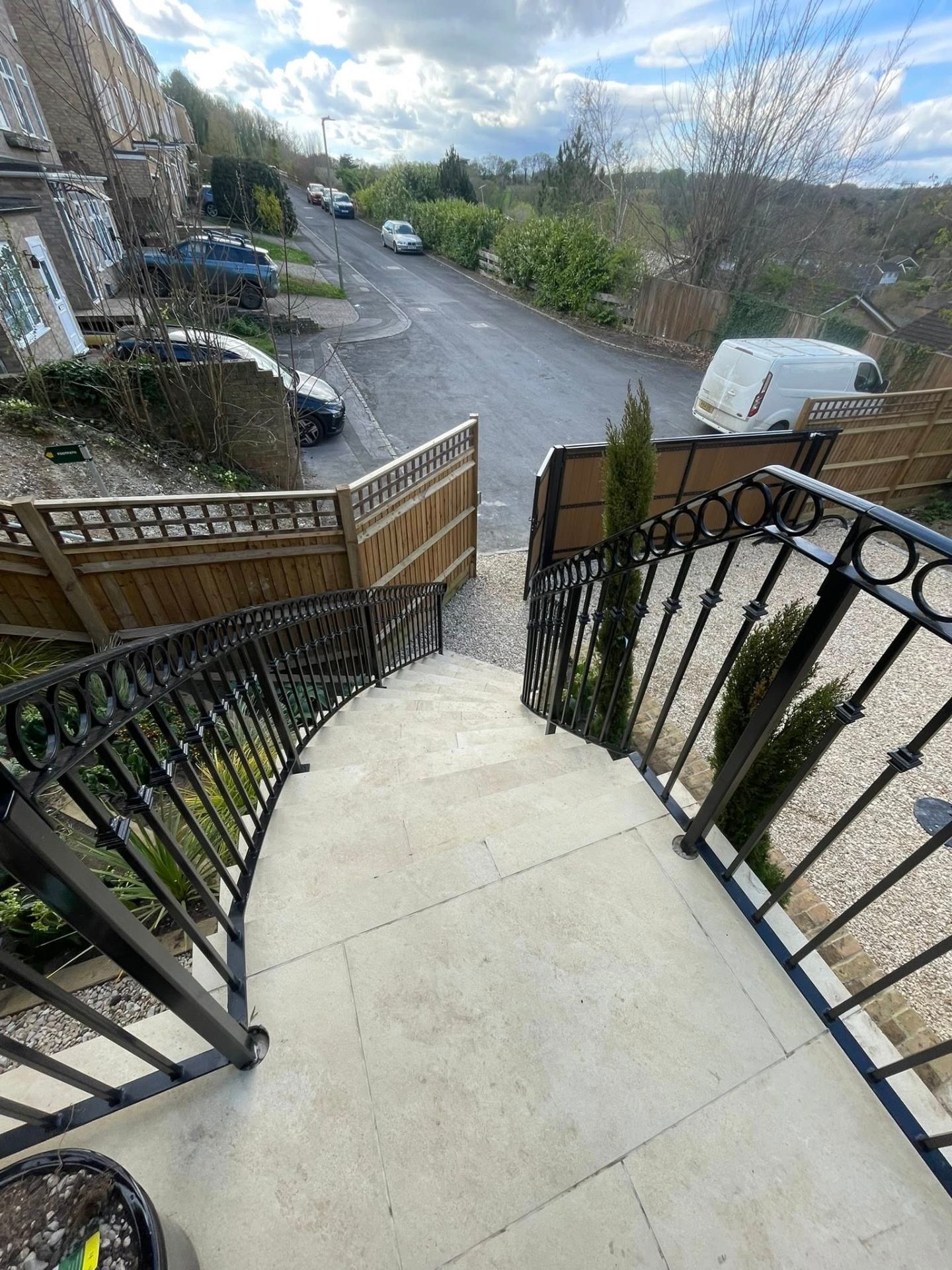
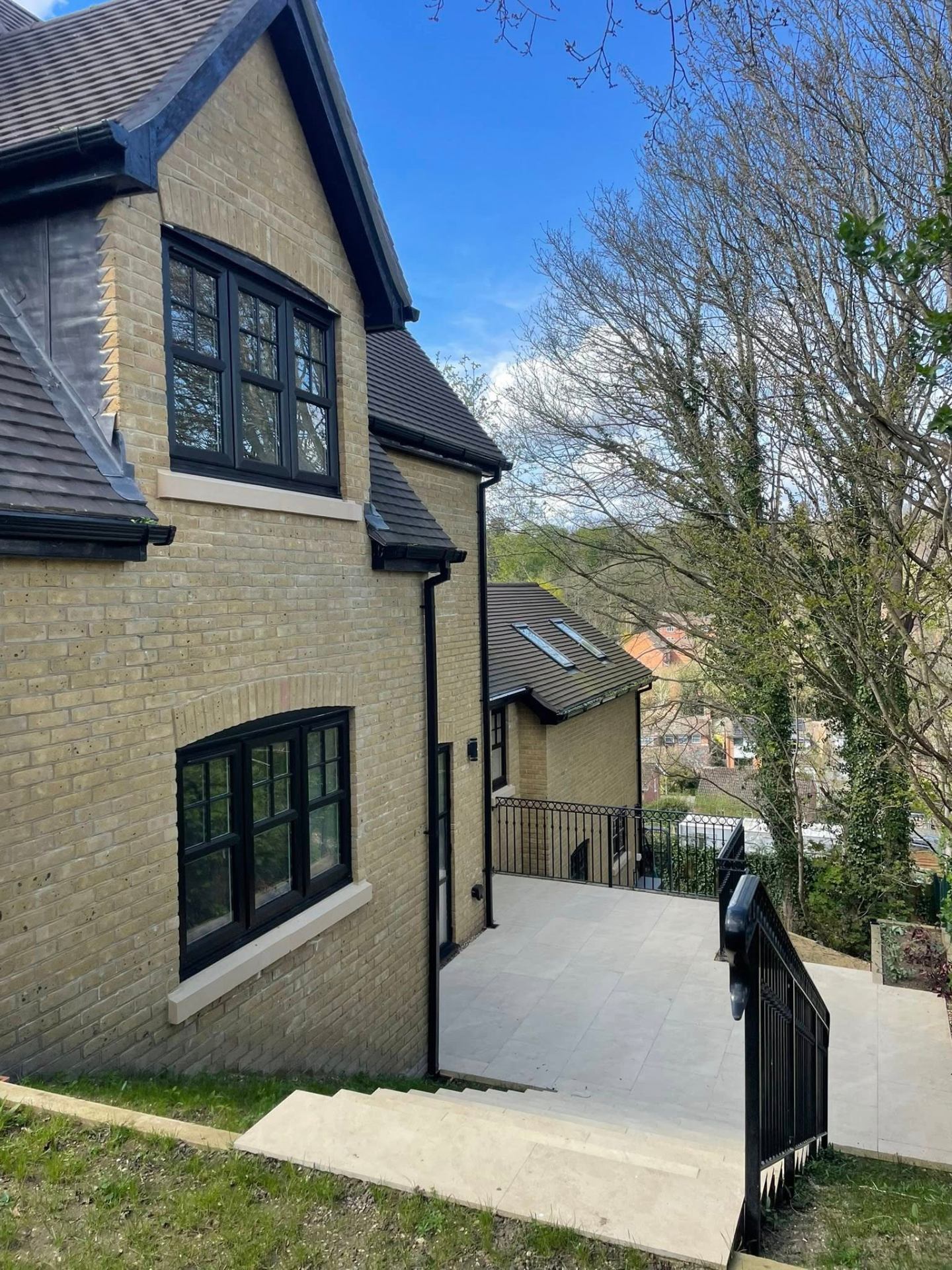
- Multi-level patios with steps and retaining walls
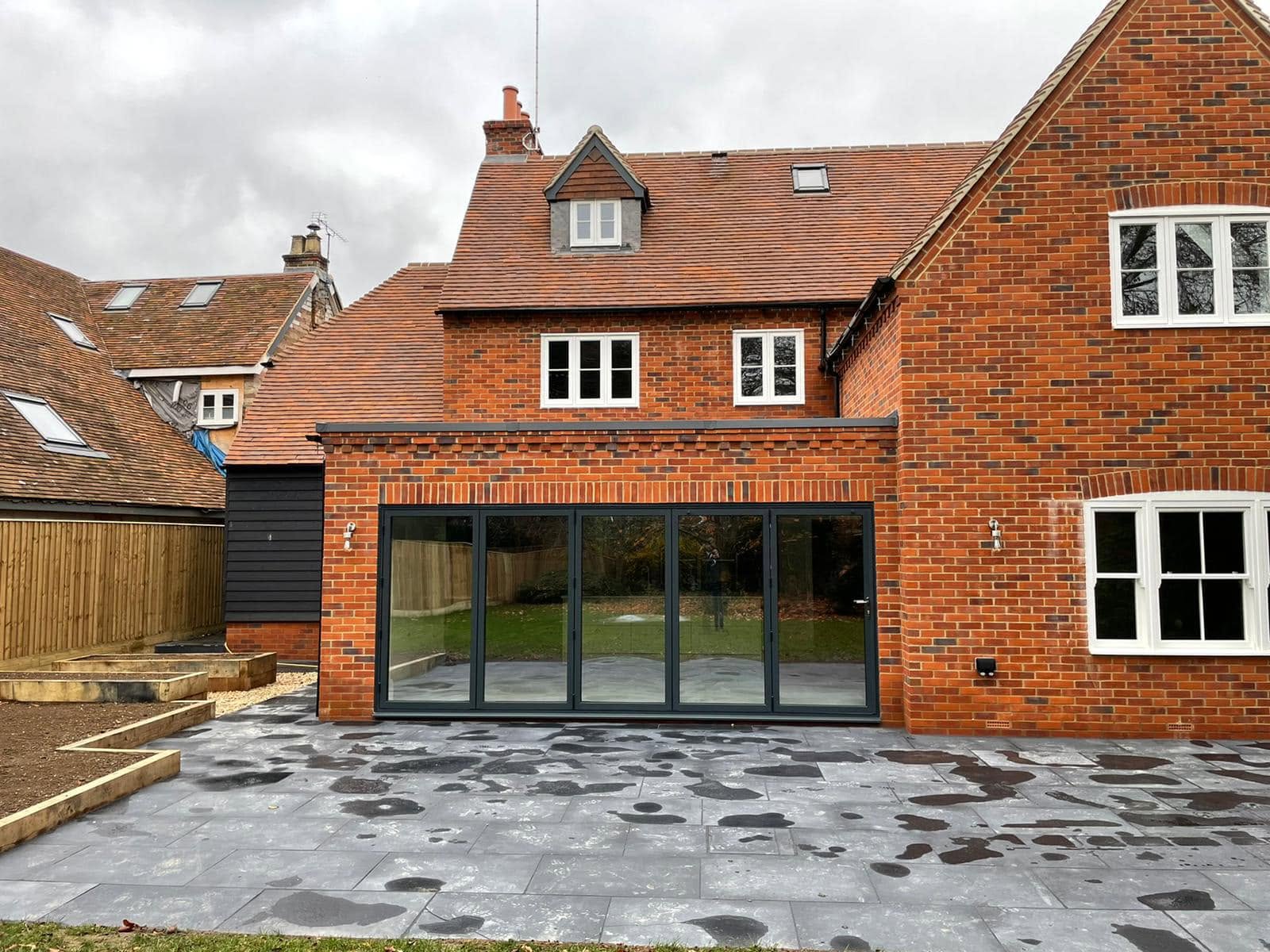
- Wrap-around patios stepping down from bi-fold doors
- Pool surround paving (specialist anti-slip rating)
- Front-garden patios with parking allowance
- Mixed-material patios — porcelain field with sett borders
- Pergola-ready patios with hidden post bases
- Heritage stone patios for listed and period properties
Residential vs commercial
Domestic patios prioritise looks, slip safety and longevity. Commercial paving (pub gardens, restaurants, small public realm work — which we do occasionally in Reading and Newbury) prioritises wear ratings, slip resistance under heavy footfall, and trip-hazard tolerances. We hold both standards.
Common questions
What homeowners in Reading ask before booking.
Related services
Often booked alongside patios
- Landscaping — Full garden transformations from the ground up.
- Driveways — Block paving, resin and tarmac driveways with proper sub-bases.
- Groundworks — Foundations, drainage and site prep — done right the first time.
Recent work
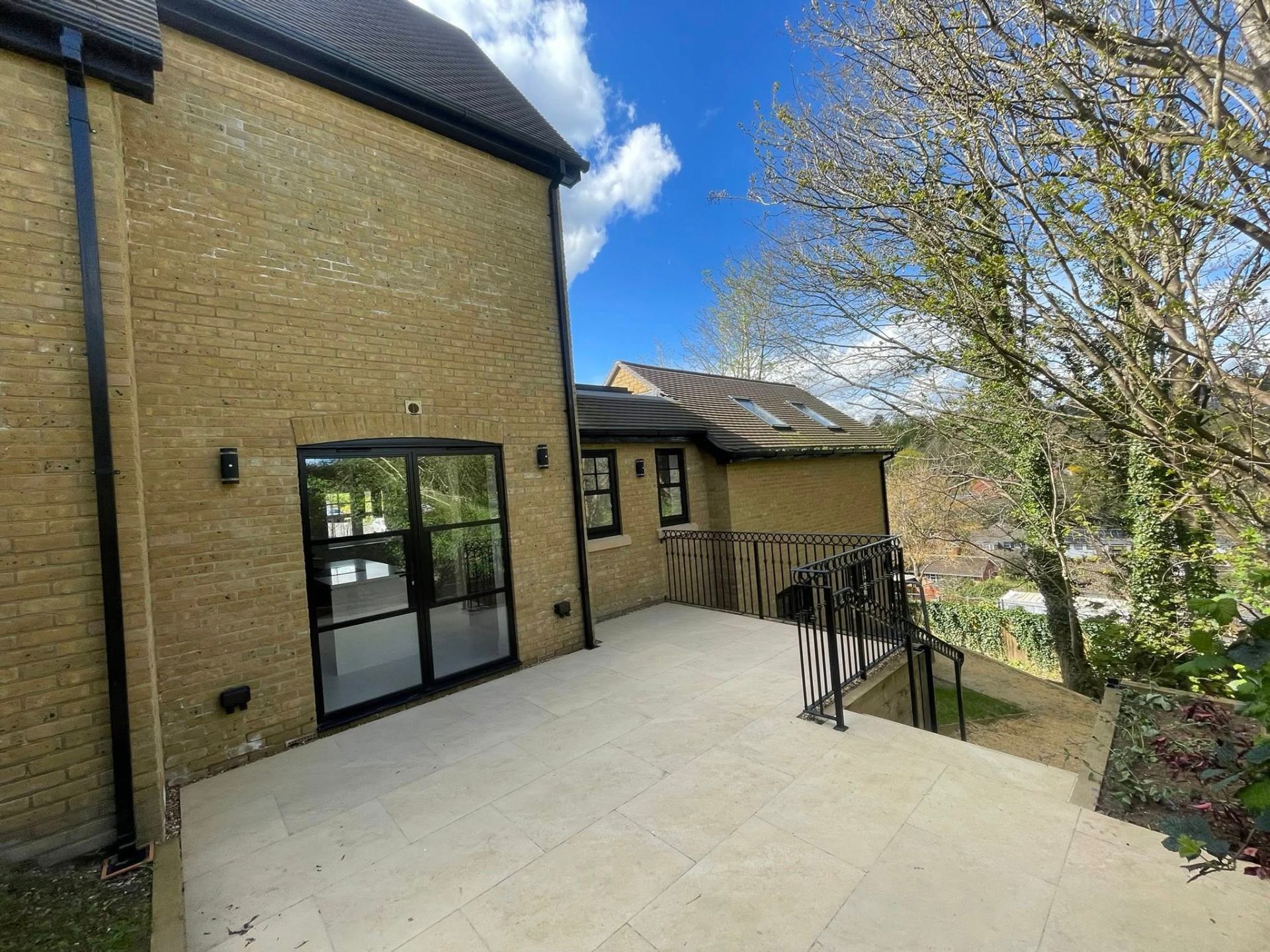
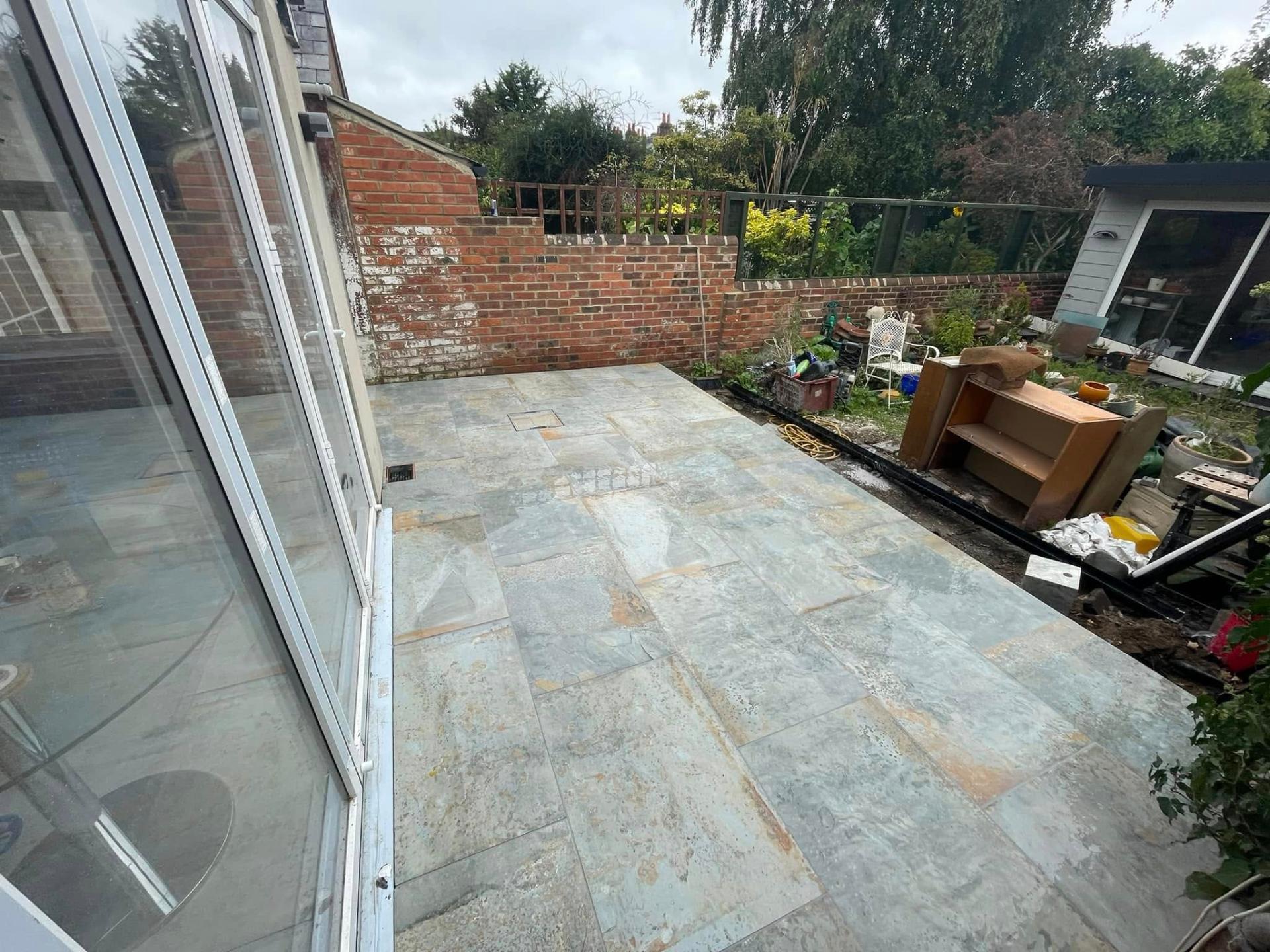
Recent patios projects across Reading & Berkshire.
Ready when you are
Get a fixed written quote for your patios — within 48 hours.
No high-pressure sales. No vague day rates. Just an itemised quote from a builder who's been on the tools for 18 years.
Fully insured 18 years on the tools Quote within 48 hours