
Groundworks · Reading & Berkshire
Foundations, Drainage
& Site Preparation —
Done Right the First Time
Everything above ground depends on what you can't see. Get groundworks wrong and you're paying to fix cracks, sloping floors and damp for the next 30 years. We dig, drain and pour to engineer's specification — every time.
5.0 average from verified Google reviews Fully insured · 18 years building in Berkshire
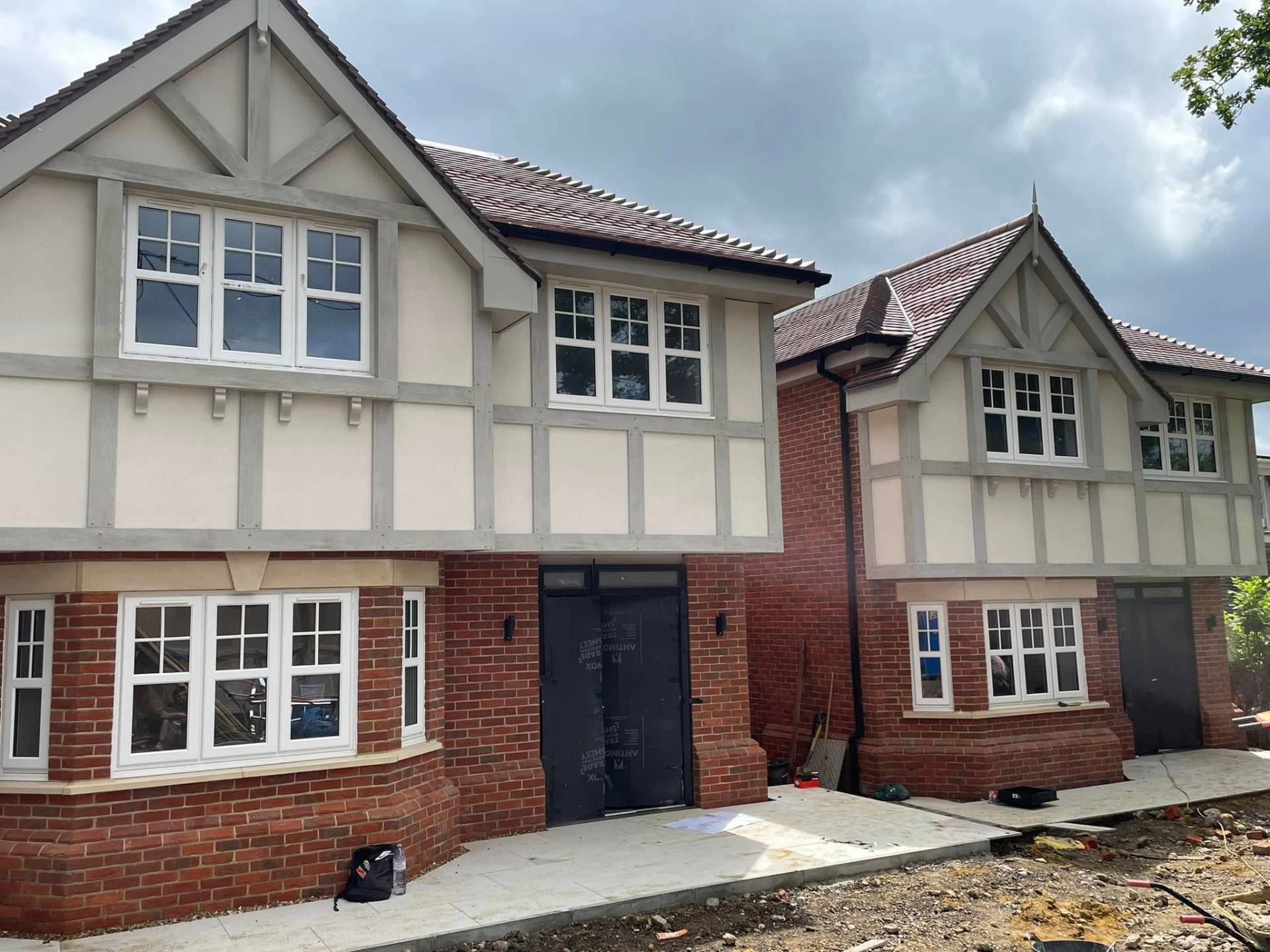
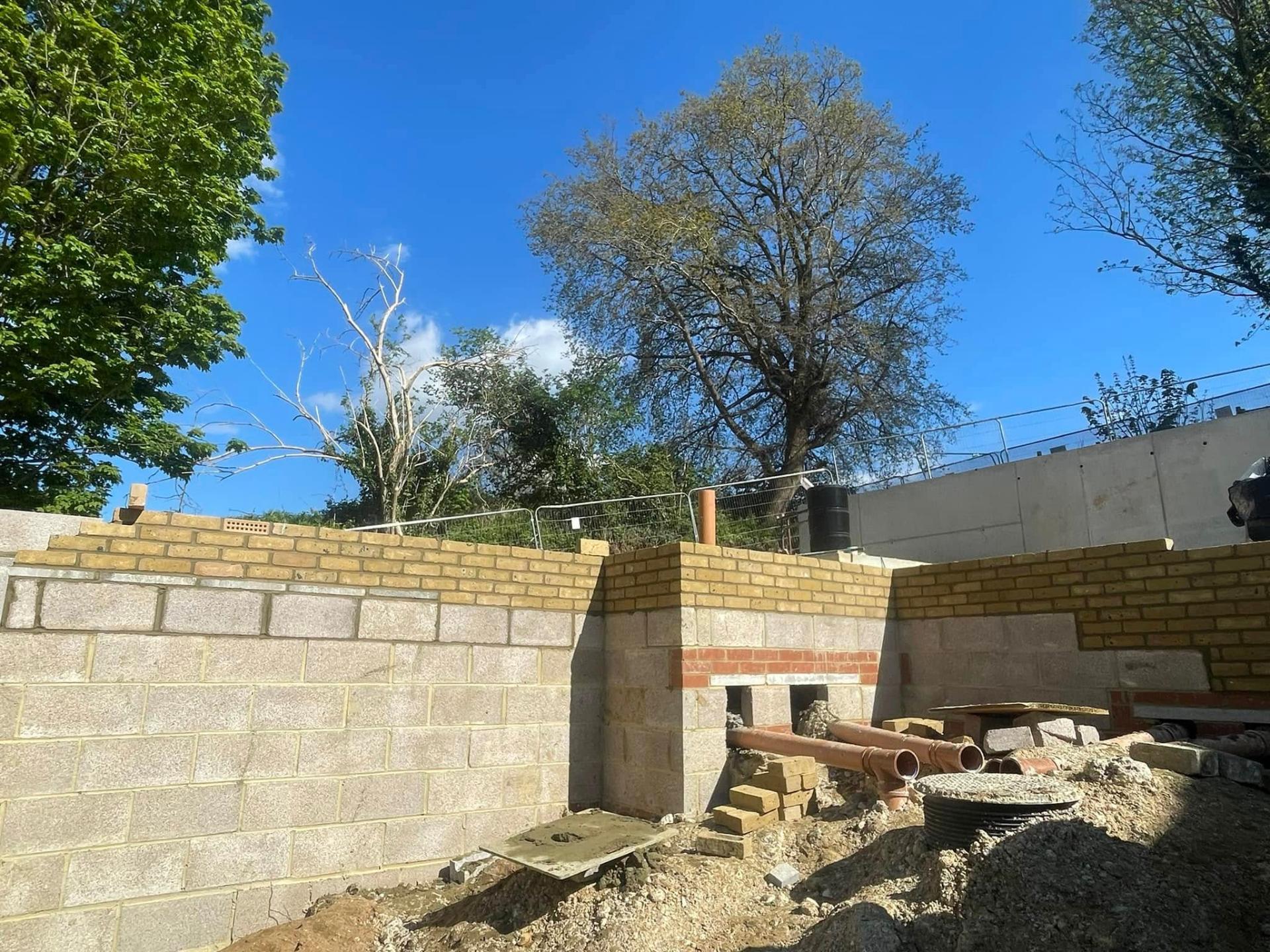
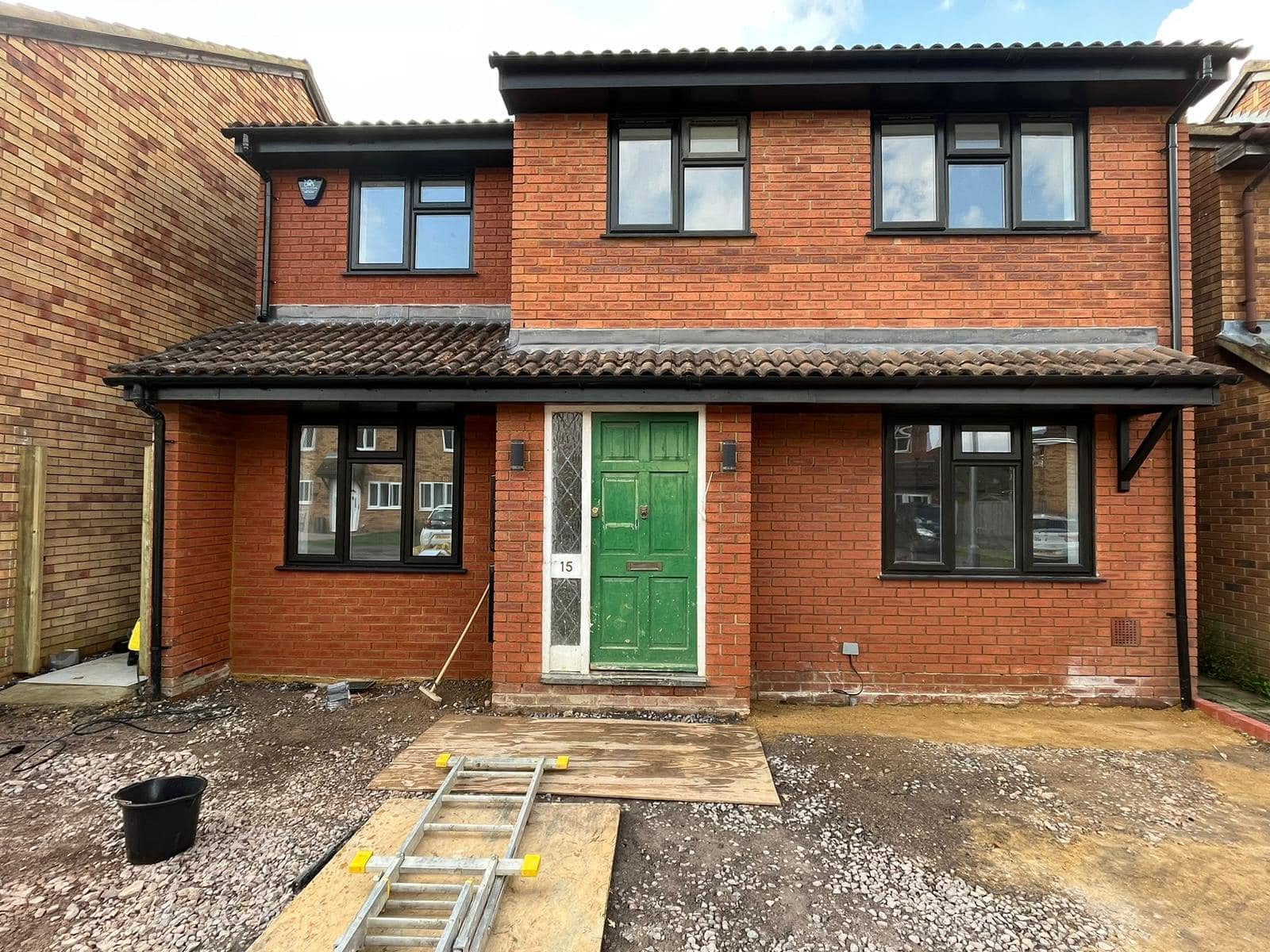
Recent work
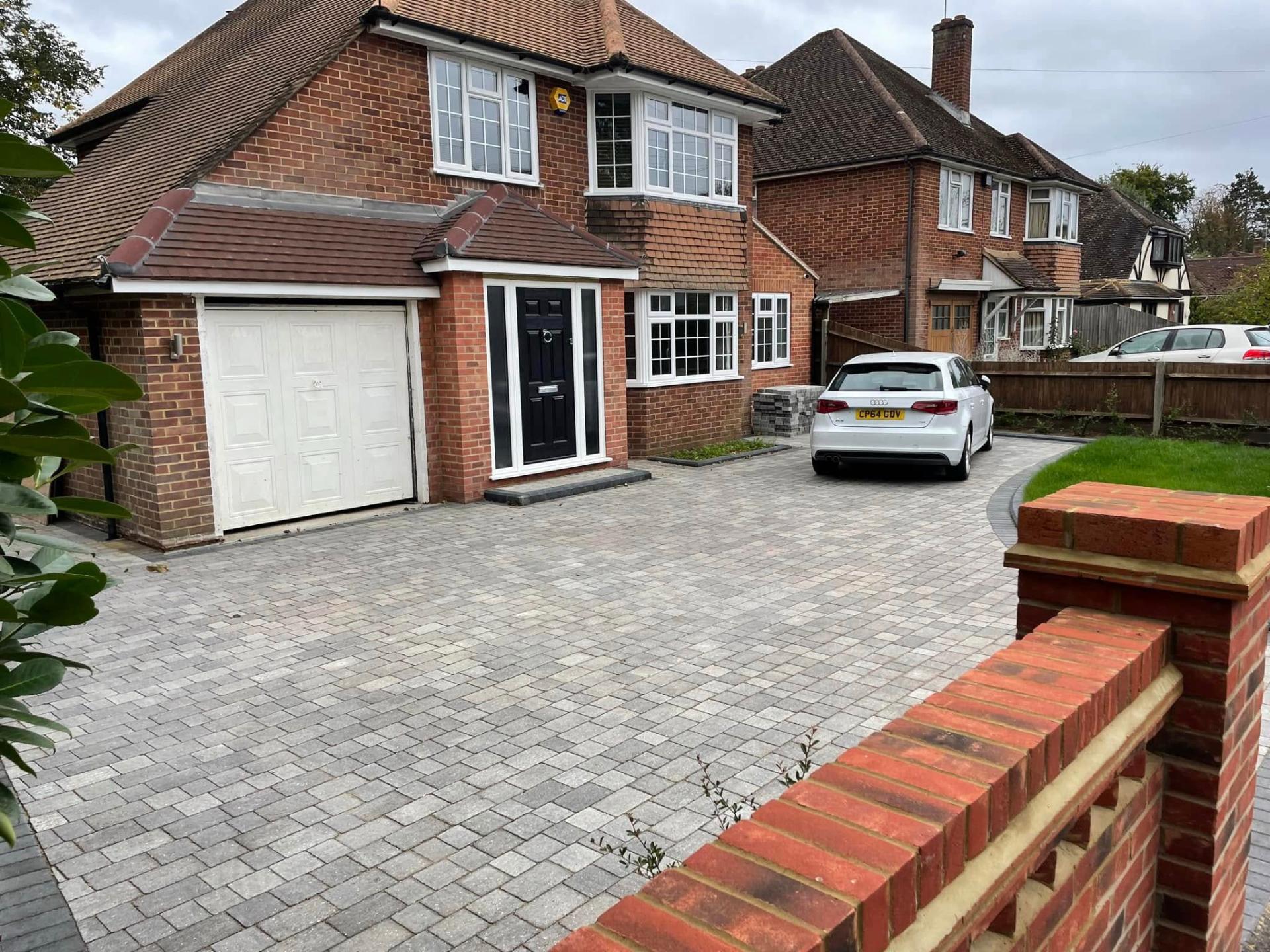
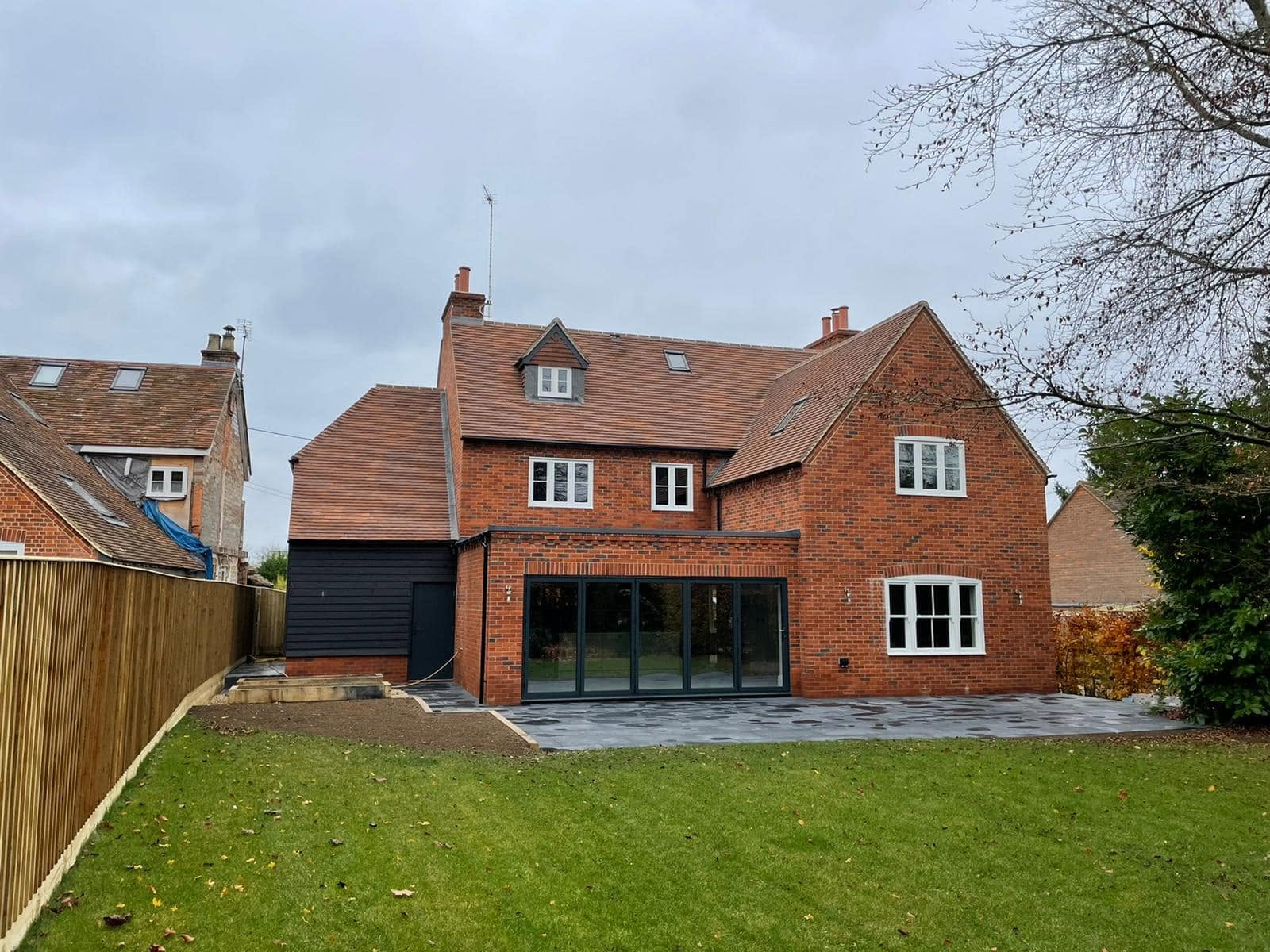
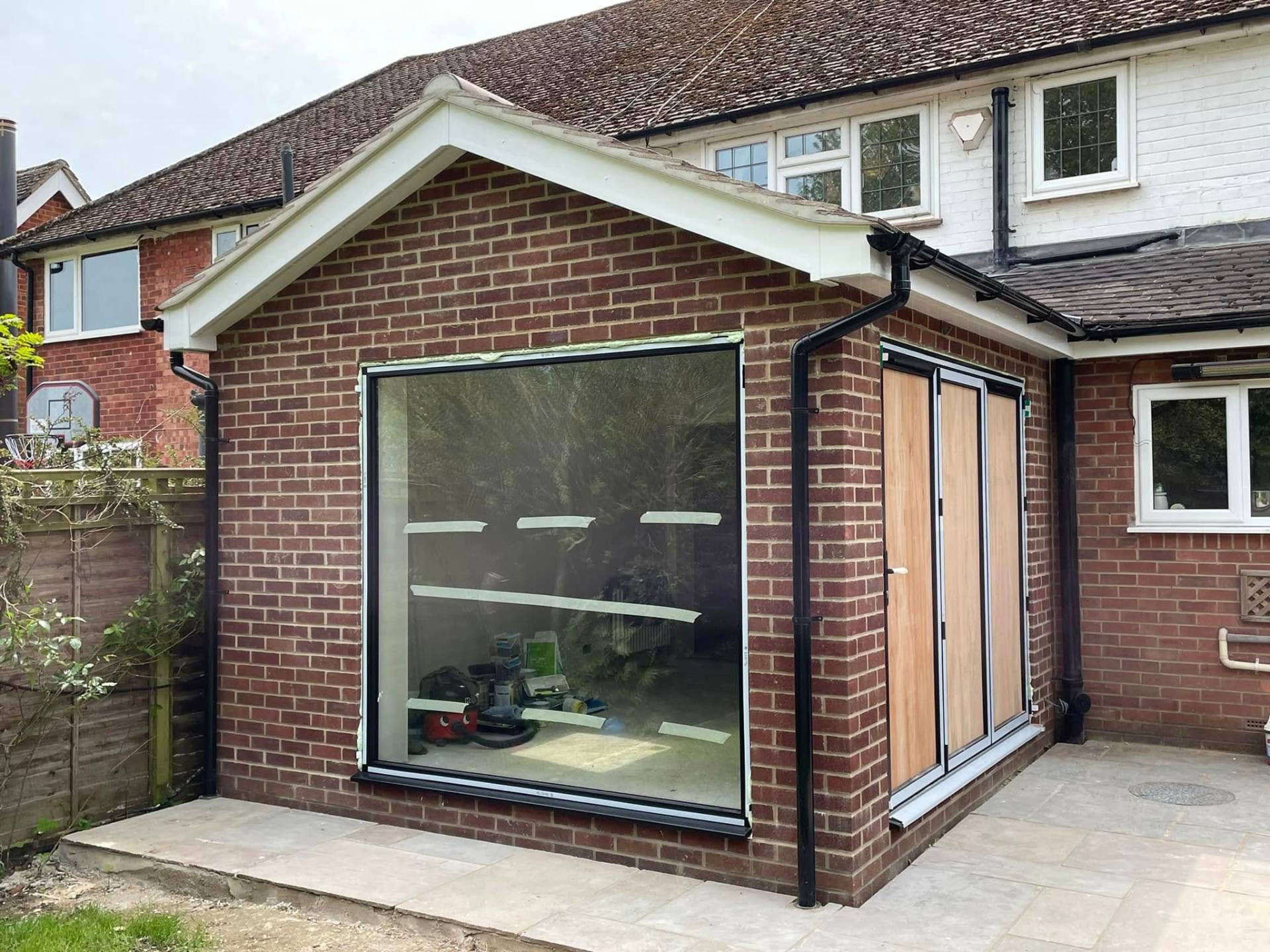
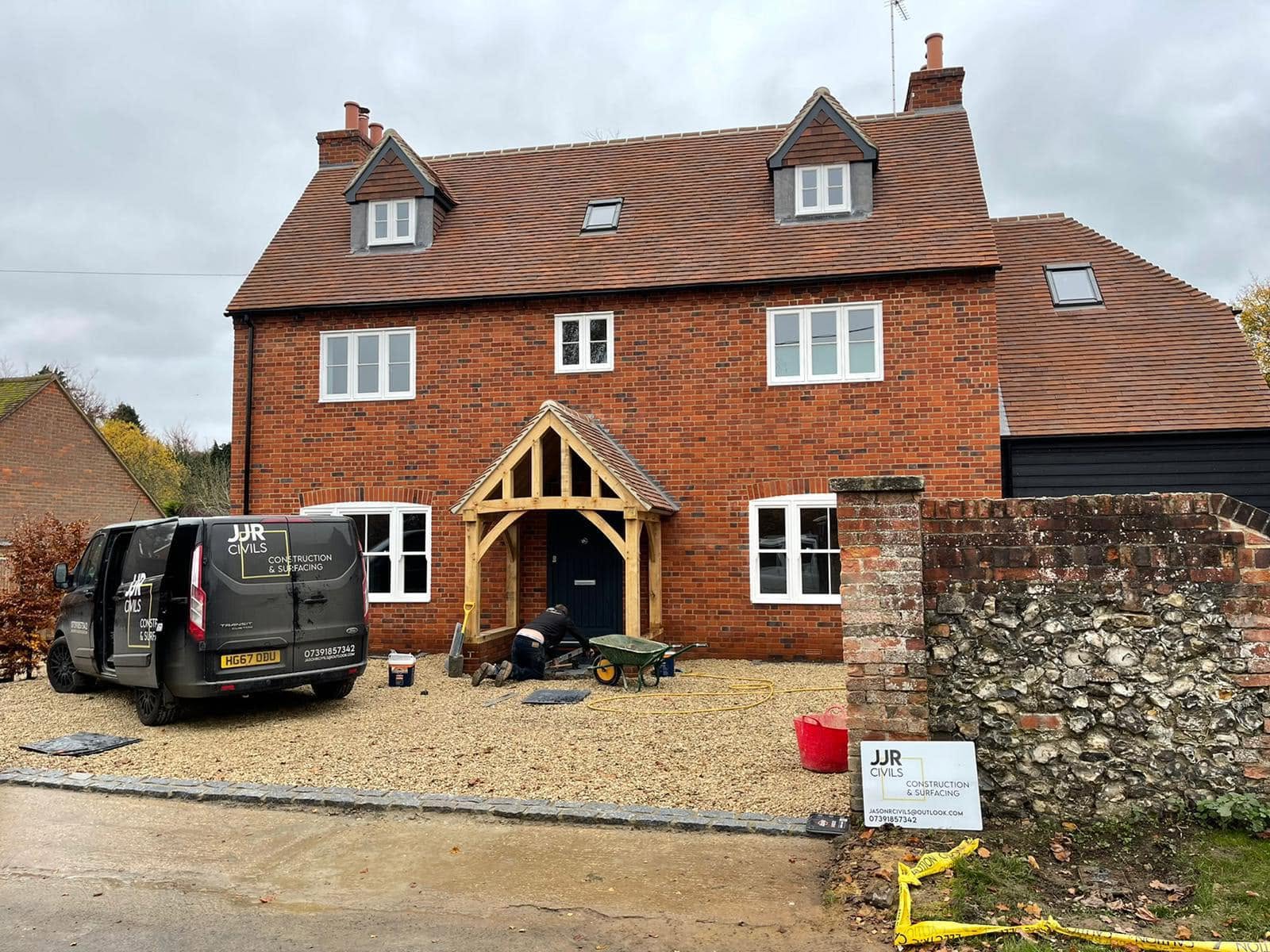
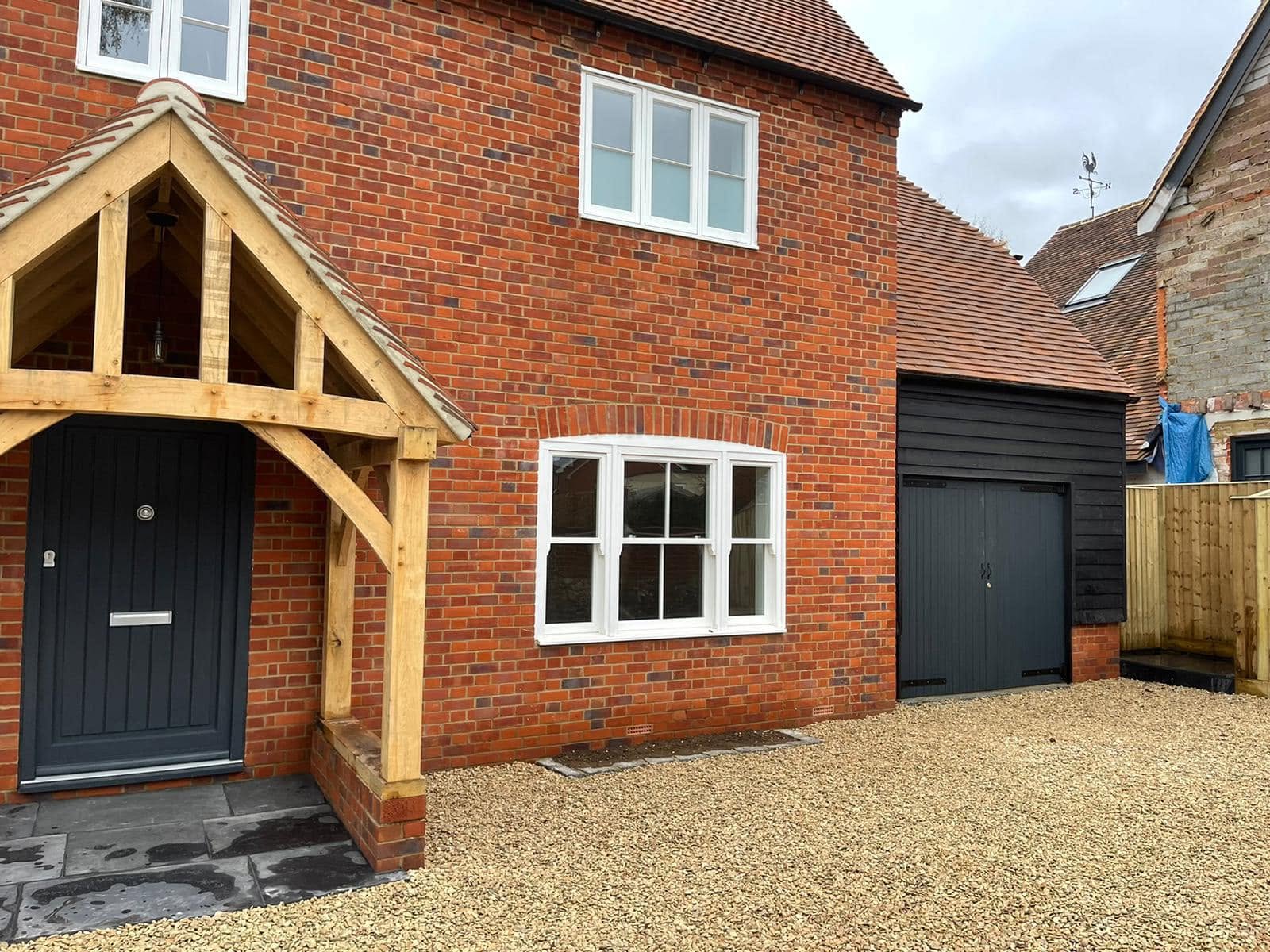
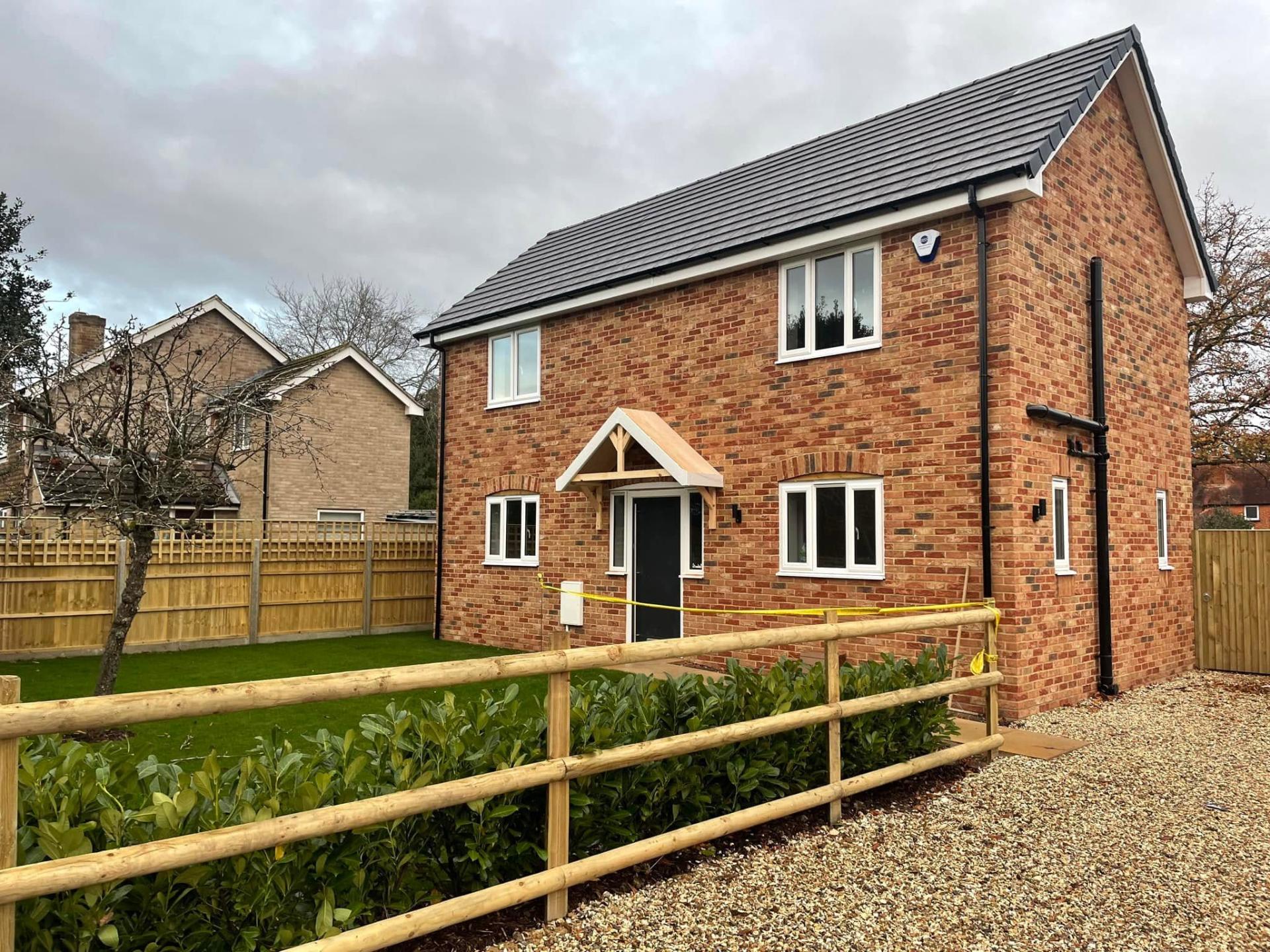
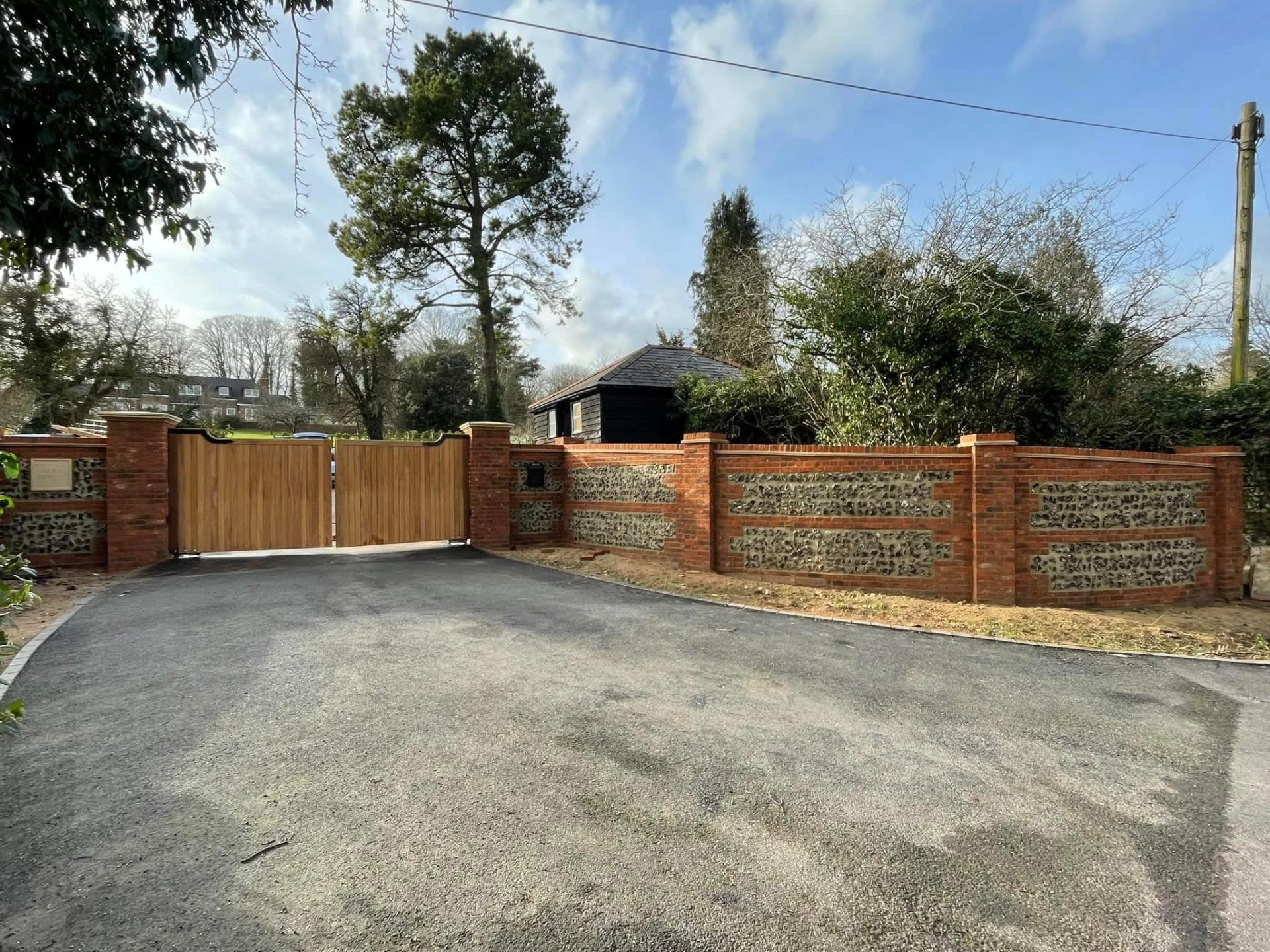
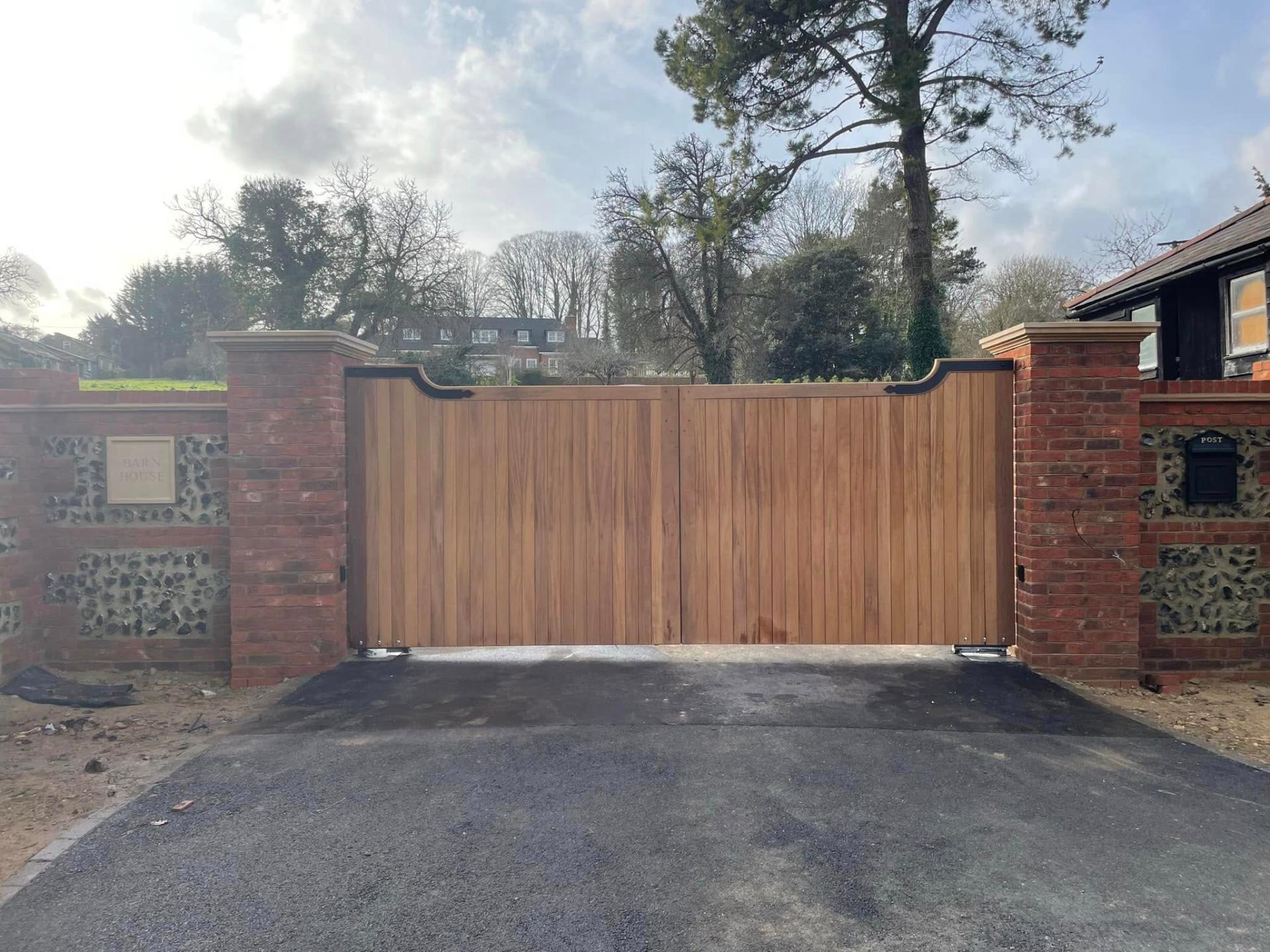
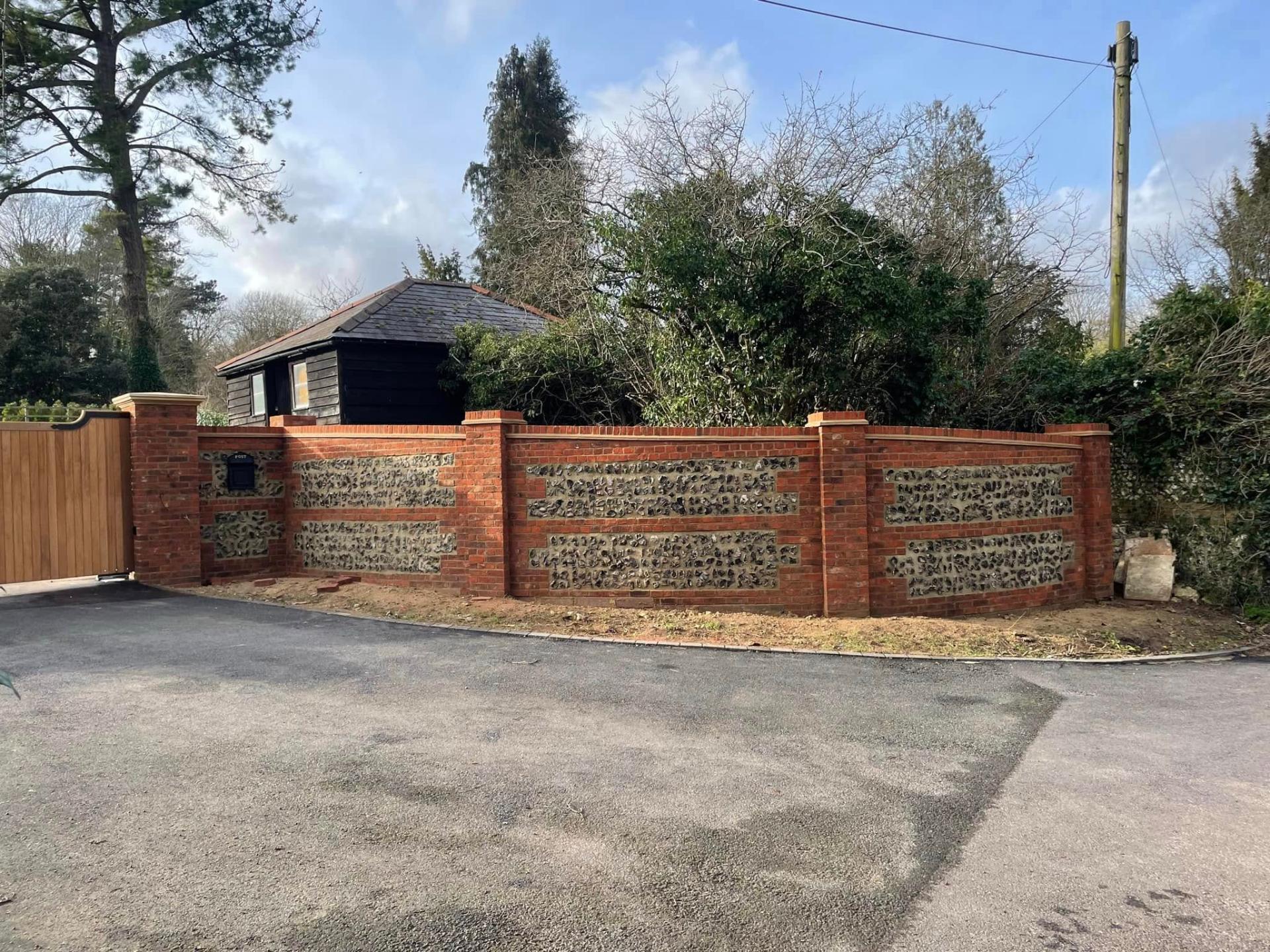
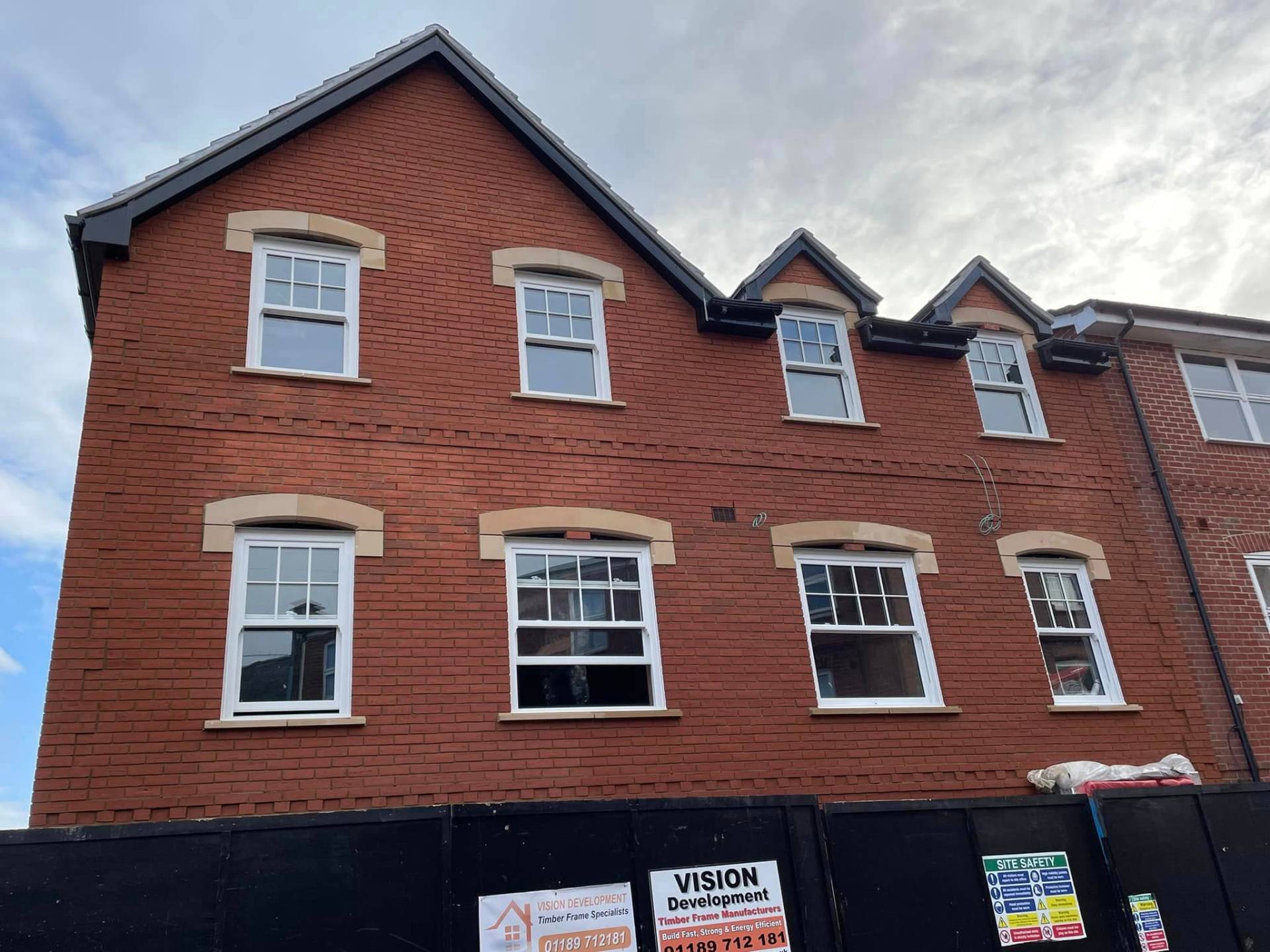
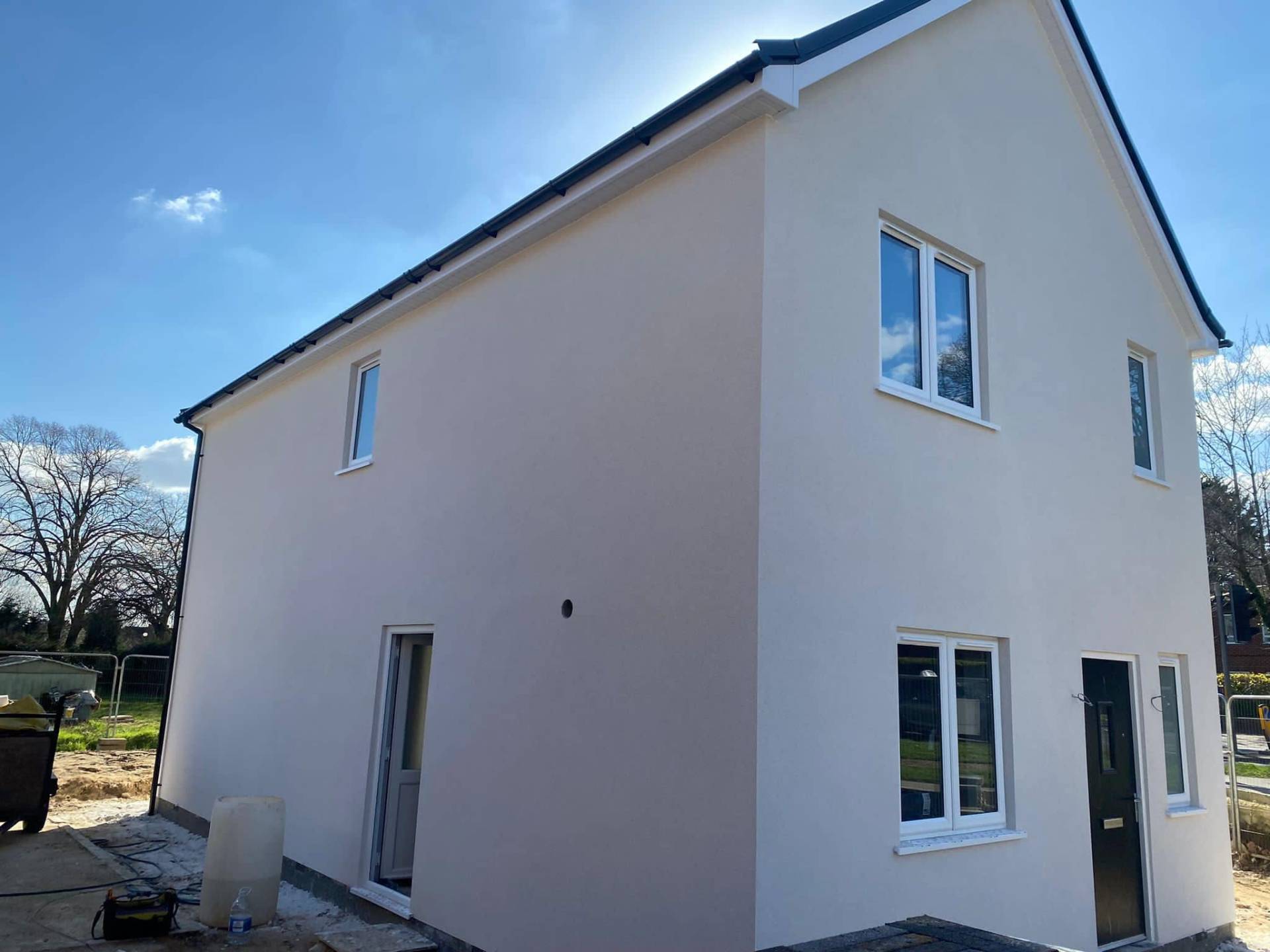
A look at projects across Berkshire.
What we do
Groundworks done properly — the first time.
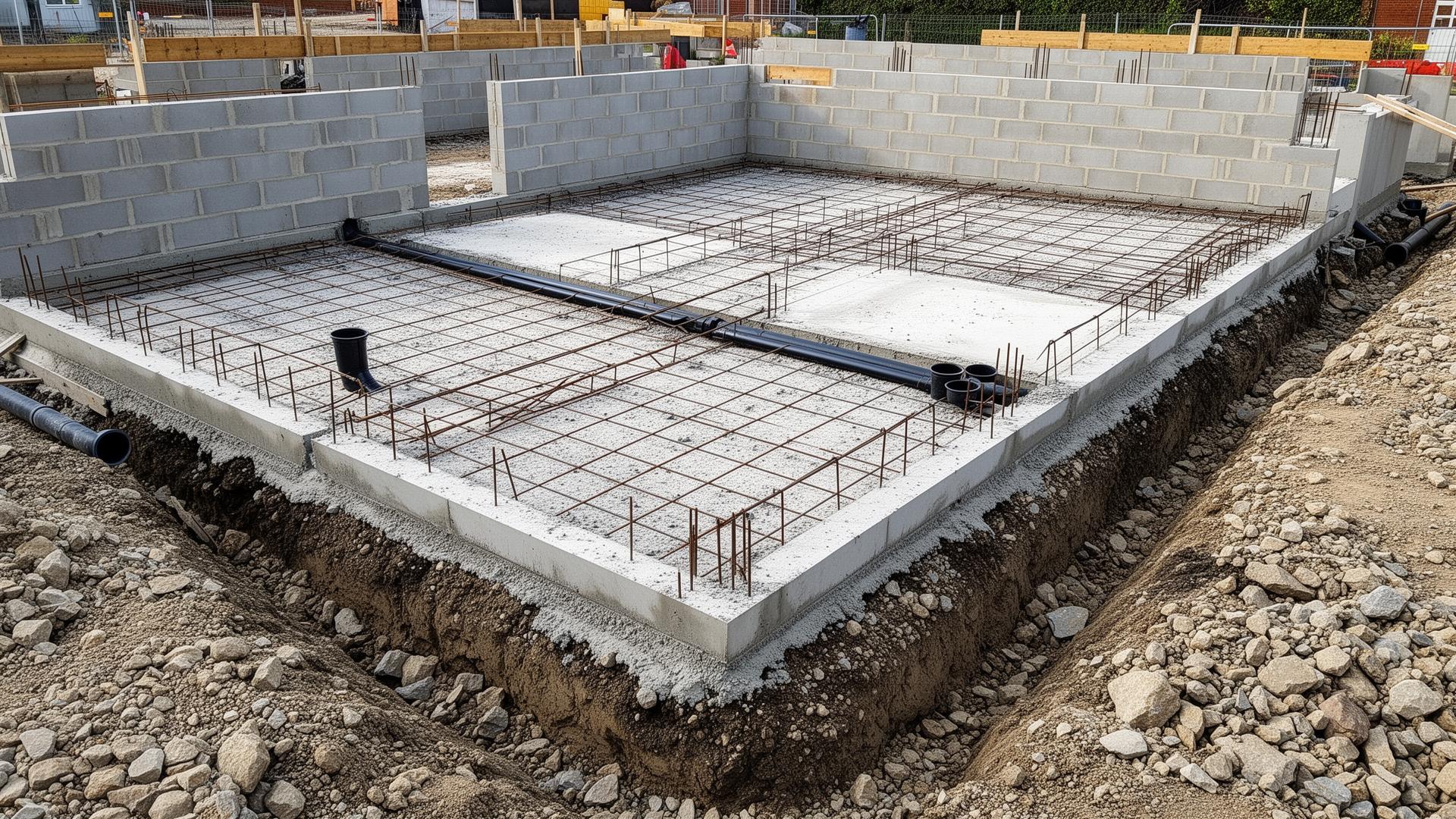
Full groundworks packages: excavation, foundation digging and pouring (strip, trench-fill, raft or mini-piled), drainage runs, soakaways, ducting for services, hardcore sub-bases, and concrete slabs for extensions, garages and outbuildings.
Homeowners starting an extension, self-builders breaking ground on a new home, anyone with a serious drainage problem (flooding, blocked runs, failed septic), and other contractors who need a reliable groundworks crew.
Before any extension, garage or outbuilding superstructure can start; when surface water is pooling against the house; when drains are repeatedly blocking; or when a structural survey flags inadequate or shallow existing foundations.
Groundworks are the one stage where shortcuts are completely invisible until something fails. Skimpy concrete cover on reinforcement, wrong foundation depth in clay, a single missed drain coupling — none of it shows until cracks appear or the basement floods. We work to engineer's drawings and Building Control inspects every step.
The cost of waiting
Bad groundworks don't show up until you can't afford to fix them.
What happens if it's ignored
- Foundations dug to the wrong depth in clay subsoil (most of north Reading) — within 24 months you'll see step-cracking through brickwork that you can't repoint away.
- Soakaways too close to foundations dissolve the bearing soil and cause subsidence — irreversible without underpinning.
- Surface water drainage missed at sub-base stage means lifting a finished patio or driveway to retrofit channels.
- Inadequate ducting for future services (electric car charger, garden lighting, outbuilding power) means digging up new paving inside five years.
Mistakes we fix every month
- Trench-fill foundations dug deeper than necessary 'to be safe' — wasting thousands in concrete with no structural benefit.
- Cheaper crews skipping the engineer's calcs and guessing depth and reinforcement — risking Building Control rejection mid-pour.
- Soakaways sized for the roof, not roof plus driveway — almost certain flooding in heavy rain within two years.
- Backfilling foundations with site spoil instead of clean fill — settlement cracks across the whole slab within a winter.
Our process
A clear five-step system from first call to final handover.
- Step 1
Site Survey & Soil Check
We dig trial holes, check the subsoil, water table and any tree roots, and confirm the right foundation type before quoting.
- Step 2
Engineer's Drawings & Calcs
Where required, we coordinate the structural engineer's foundation and drainage design so Building Control approves before excavation.
- Step 3
Excavation & Setting Out
Site stripped, set out from datum, dug to spec — strip, trench-fill, raft or mini-piled. Spoil away the same day.
- Step 4
Foundations & Drainage
Concrete poured to inspected depth, drainage runs laid with proper falls and gravel surround, soakaways crated and tested.
- Step 5
Sub-Base & Handover
Compacted Type 1 sub-base for whatever sits on top — slab, driveway or extension. Photo record of every below-ground stage handed to you.
What you get
Specific outcomes — not vague promises.
Engineer-spec foundations
Every pour to structural engineer's drawings, inspected by Building Control before the next stage begins.
No future subsidence
Correct depth, correct concrete grade, correct reinforcement — the structure above can move for a hundred years without cracking.
Right-sized, not over-spec
We dig what the engineer says, not what panics the cheapest crew. Saves thousands on concrete without sacrificing safety.
Full photo record
Every below-ground stage photographed and handed over with the invoice — for your records, for your insurer, for any future buyer's surveyor.
Drainage that works
Soakaways sized for actual roof and hard surfacing area, gullies positioned to take the runoff, falls correct first time.
Quick to next stage
Most extension groundworks finish in 7–10 days so the bricklayer can start on schedule, not three weeks late.
The detail
Materials, methods and variations for groundworks in Reading.
Berkshire subsoils vary enormously — chalk in the south Downs around Goring, heavy clay around Tadley and north Reading, gravel terraces along the Thames in Caversham and Pangbourne. Each needs a different foundation strategy. Trial holes and a soil assessment before any quote are non-negotiable for us.
Materials we work with
- Concrete
- C25/30 design mix from local batching plants (Hanson, Tarmac, Cemex). RC30 for reinforced foundations, GEN3 for blinding. Always pumped or barrowed direct — never shovelled from a dumper into anything load-bearing.
- Reinforcement steel
- B500B rebar to engineer's bar bending schedule, sized and fixed before pour. A393 fabric mesh in slabs. Plastic spacers to ensure 50mm minimum cover.
- Drainage
- 110mm UPVC underground drainage to BS EN 1401, jointed with rubber rings (never solvent), bedded and surrounded with 10mm pea gravel.
- Soakaway crates
- Polystorm or Aquavoid modular crates wrapped in geotextile, sized to roof + hard surfacing area + percolation test, placed minimum 5m from foundations.
- Sub-base material
- Type 1 MOT primary aggregate, compacted in 100mm max layers with a heavy vibrating plate or roller depending on area.
Methods & techniques
- Strip foundations
- Standard for most domestic extensions on stable ground. 600mm wide × 250mm deep concrete in a 1m+ deep trench, depending on depth to suitable bearing.
- Trench-fill foundations
- Faster on smaller jobs — concrete poured to within 150mm of finished ground level, bricks built straight off the top. Slightly more concrete, much less brickwork below DPC.
- Mini-piled foundations
- Where trees, made-up ground, or proximity to existing structures make strip impractical — augered piles 150–300mm diameter taken down to load-bearing stratum, capped with reinforced ring beam.
- Raft foundations
- Reinforced slab covering full footprint, used on poor or variable ground where strip would risk differential settlement.
- Underpinning
- Sequential mass-concrete or mini-piled underpinning where existing foundations need deepening to support new loads (extensions over inadequate foundations, basements).
Common variations & situations
- Extension foundations and oversite slabs
- New-build house foundations on virgin land
- Garage and outbuilding bases
- Surface and foul drainage installation
- Soakaway design, installation and percolation testing
- Septic tank and treatment plant installation
- Underpinning of existing structures
- Retaining-wall foundations and reinforced bases
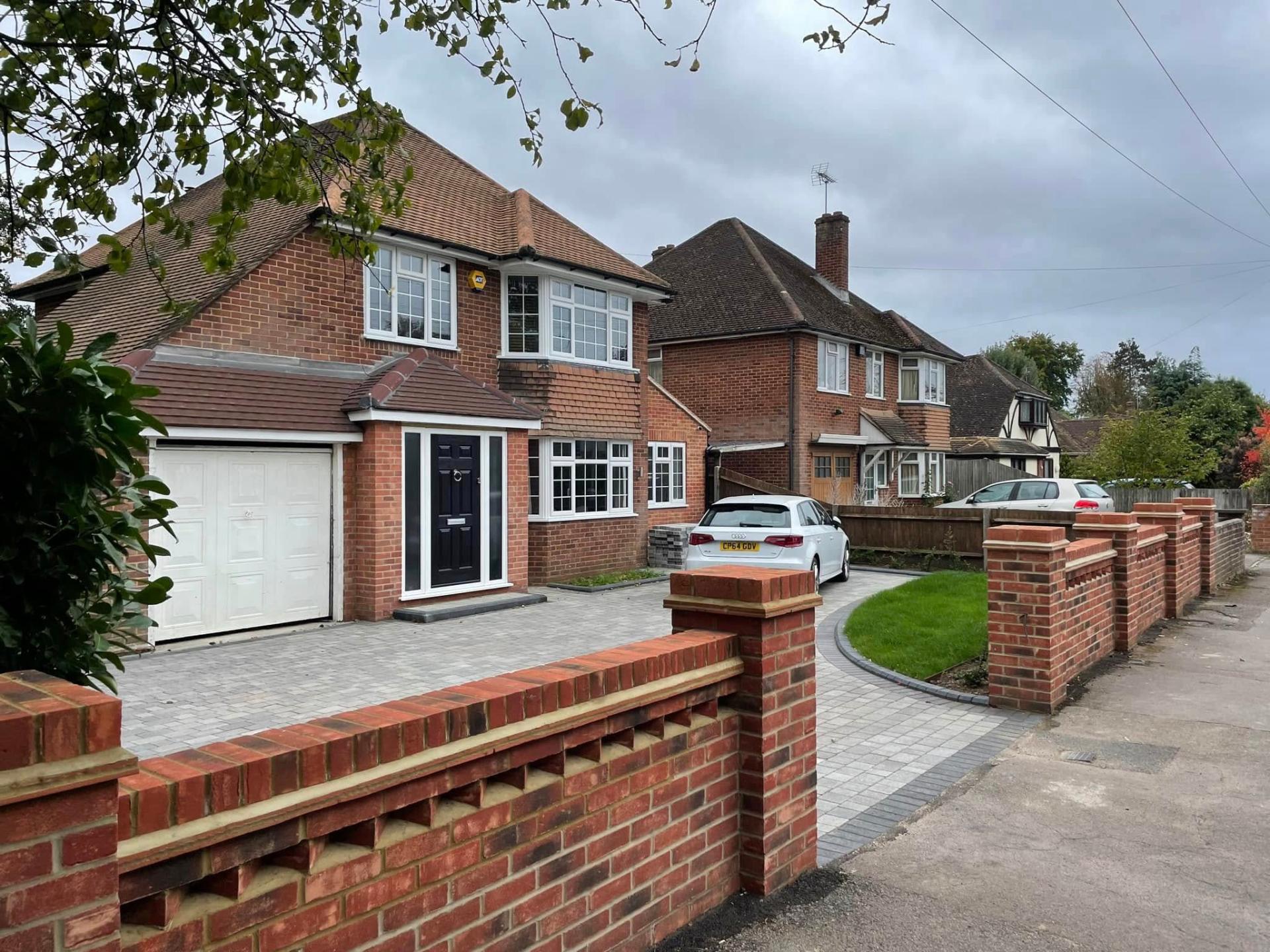
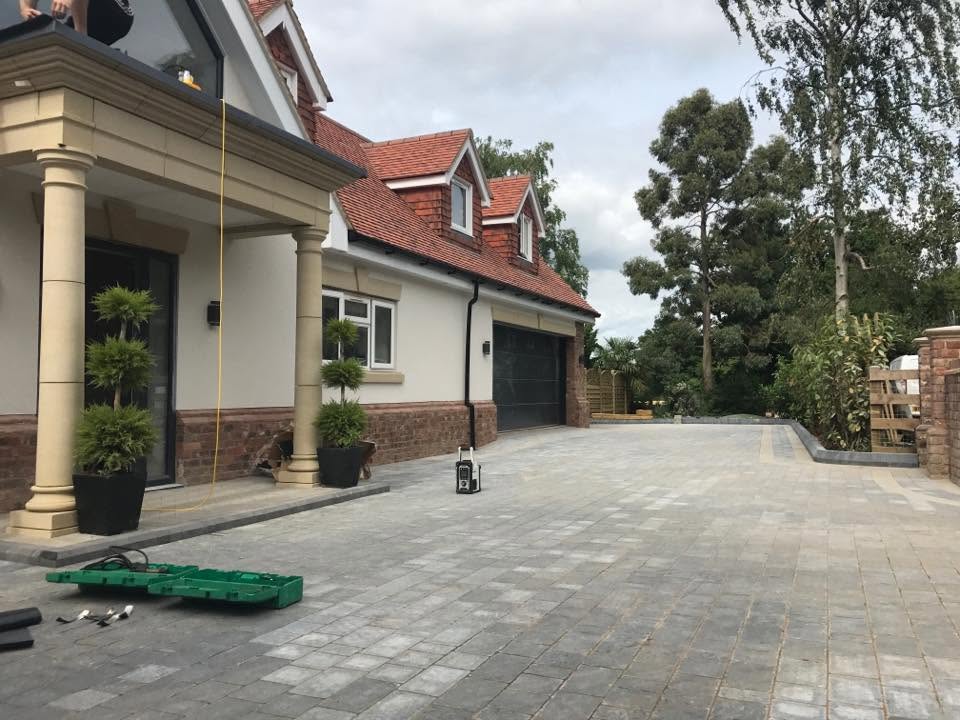
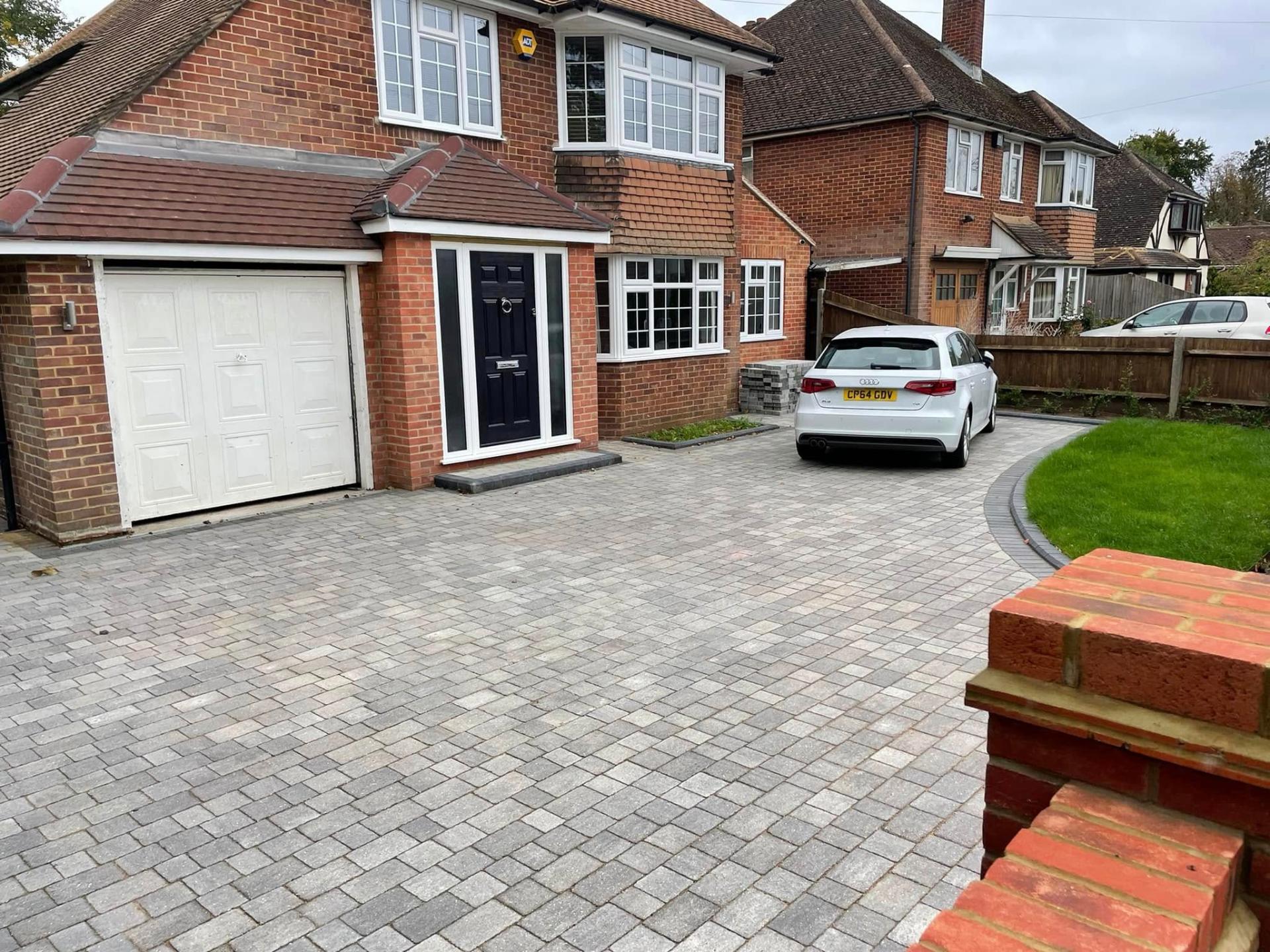
- Driveway preparation including ducting and edging
- Site clearance, demolition and muck-away
Residential vs commercial
Domestic groundworks (single extensions, single house plots) use standard foundation types and are typically straightforward. Commercial and small developer groundworks (multi-plot, larger spans, attenuation tanks) need different equipment and design — we take on small commercial groundworks in the Reading and Basingstoke area but turn down anything beyond our core capability.
Common questions
What homeowners in Reading ask before booking.
Related services
Often booked alongside groundworks
- Extensions — Single & double-storey extensions designed and built end-to-end.
- Driveways — Block paving, resin and tarmac driveways with proper sub-bases.
- Patios — Hard-wearing patios that frame your garden for the next twenty years.
Recent work
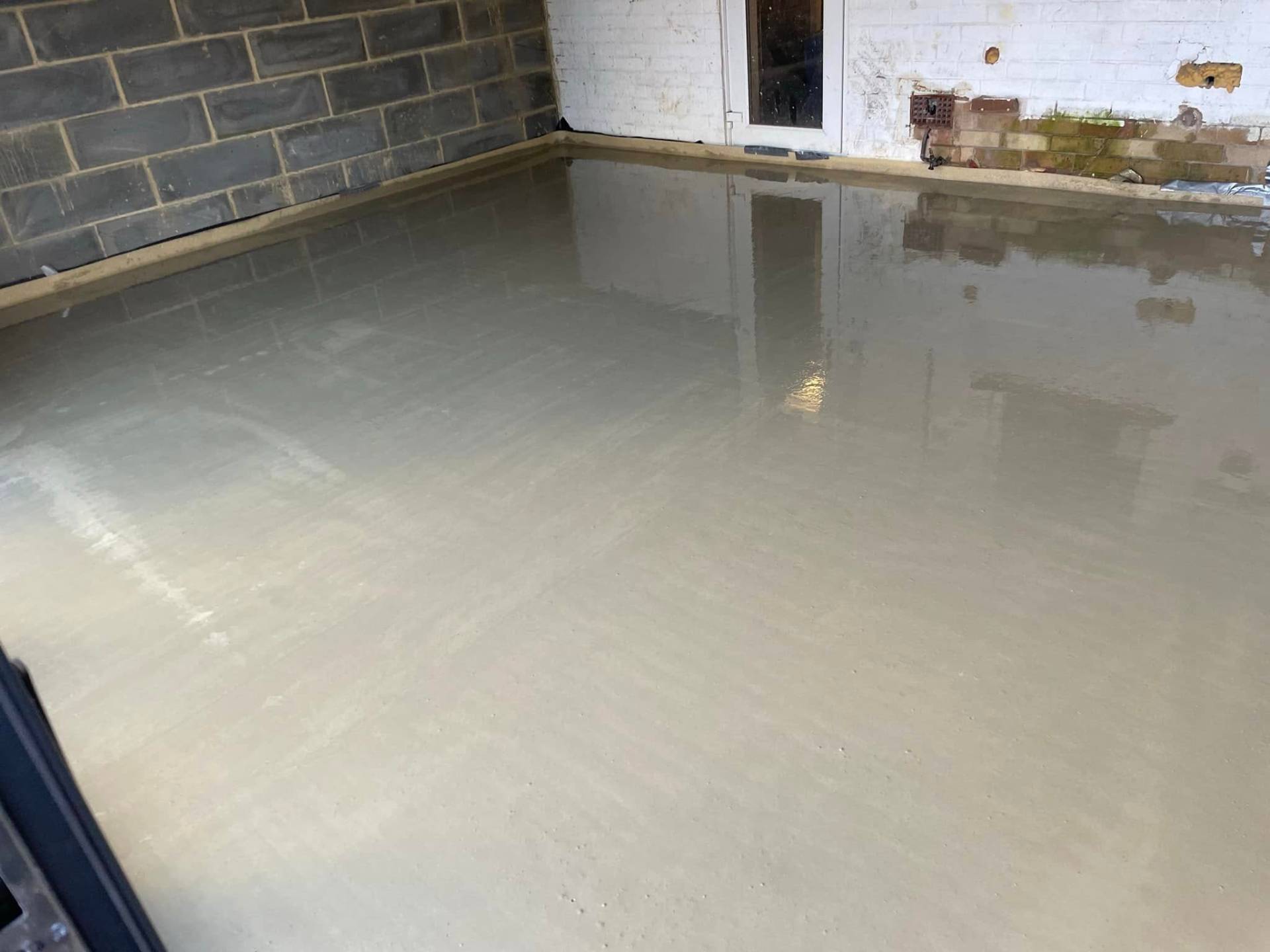
Recent groundworks projects across Reading & Berkshire.
Ready when you are
Get a fixed written quote for your groundworks — within 48 hours.
No high-pressure sales. No vague day rates. Just an itemised quote from a builder who's been on the tools for 18 years.
Fully insured 18 years on the tools Quote within 48 hours